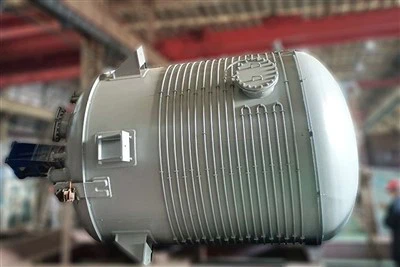
In the realm of polymer production, a polymerization reactor stands as a cornerstone, playing a pivotal role in facilitating the chemical reactions that transform monomers into polymers. Ensuring the cleanliness and sterility of these reactors is not just a matter of good practice; it's essential for maintaining product quality, preventing contamination, and safeguarding the integrity of the polymerization process. As a leading supplier of Polymerization Reactor, I am well - versed in the various methods of sterilizing these critical pieces of equipment. In this blog post, I will delve into the different sterilization techniques that can be employed when the need arises.
1. Chemical Sterilization
Chemical sterilization is a widely used method due to its effectiveness in eliminating a broad spectrum of microorganisms. The choice of chemical agent depends on several factors, including the type of reactor, the nature of the polymer being produced, and the sensitivity of the reactor's components.
1.1. Hydrogen Peroxide
Hydrogen peroxide is a powerful oxidizing agent that can break down the cell walls and membranes of microorganisms, leading to their destruction. It decomposes into water and oxygen, leaving no harmful residues behind, which makes it an environmentally friendly option. To use hydrogen peroxide for reactor sterilization, a solution of appropriate concentration (usually between 3% - 30%) is prepared. The solution is then circulated through the reactor for a specific period, typically ranging from 30 minutes to several hours, depending on the level of contamination. After the sterilization process, the reactor is thoroughly rinsed with water to remove any remaining hydrogen peroxide.
1.2. Peracetic Acid
Peracetic acid is another effective chemical sterilant. It has strong antimicrobial properties and can act quickly against bacteria, fungi, and viruses. Unlike some other chemicals, peracetic acid is effective over a wide pH range and at relatively low temperatures. A solution of peracetic acid (usually around 0.1% - 0.5%) is commonly used for reactor sterilization. Similar to hydrogen peroxide, the solution is circulated through the reactor, and the contact time can vary from 15 minutes to a few hours. After sterilization, the reactor must be rinsed thoroughly to remove any traces of peracetic acid.
1.3. Ethylene Oxide
Ethylene oxide is a highly effective gas sterilant that can penetrate porous materials and reach areas that may be difficult to access with liquid chemicals. It works by alkylating the DNA and proteins of microorganisms, preventing their growth and reproduction. However, ethylene oxide is a toxic and flammable gas, so strict safety precautions must be taken when using it. The reactor is sealed, and ethylene oxide gas is introduced at a controlled concentration and temperature for a specific period, usually several hours. After the sterilization process, the reactor must be aerated for a long time to remove any residual ethylene oxide.
2. Heat Sterilization
Heat is one of the oldest and most reliable methods of sterilization. It can be applied in different forms, depending on the design and material of the polymerization reactor.
2.1. Steam Sterilization
Steam sterilization, also known as autoclaving, is a common method used for many types of reactors. Steam at high pressure and temperature (usually around 121°C - 134°C) can quickly kill microorganisms, including spores. The reactor is filled with steam, and the pressure is maintained for a specific time, typically 15 - 30 minutes. This method is effective because steam can penetrate the reactor's interior and reach all surfaces. However, it requires specialized equipment to generate and control the steam, and not all reactors are suitable for steam sterilization, especially those made of materials that are sensitive to high temperatures and moisture.
2.2. Dry Heat Sterilization
Dry heat sterilization involves heating the reactor to a high temperature in an oven or a dry heat chamber. Temperatures typically range from 160°C - 180°C, and the exposure time can be several hours. Dry heat works by oxidizing the cellular components of microorganisms. This method is suitable for reactors made of materials that can withstand high temperatures and are not affected by moisture. It is also useful for sterilizing equipment that may be damaged by steam, such as some types of electronic components. However, dry heat sterilization takes longer than steam sterilization and may not be as effective against some heat - resistant microorganisms.
3. Radiation Sterilization
Radiation sterilization uses high - energy radiation to kill microorganisms. It is a non - thermal method that can be applied without significantly increasing the temperature of the reactor.


3.1. Ultraviolet (UV) Radiation
UV radiation has germicidal properties and can damage the DNA of microorganisms, preventing them from replicating. UV lamps are installed inside the reactor, and the reactor is exposed to UV light for a specific period. The effectiveness of UV radiation depends on the intensity of the light, the distance from the source, and the exposure time. However, UV radiation has limited penetration ability, so it is mainly effective for sterilizing the surface of the reactor and areas that are directly exposed to the light. It may not be suitable for sterilizing reactors with complex geometries or areas that are shaded from the UV light.
3.2. Ionizing Radiation
Ionizing radiation, such as gamma rays or electron beams, has high energy and can penetrate deep into the reactor's materials. Gamma rays are typically emitted from radioactive sources such as cobalt - 60, while electron beams are generated by electron accelerators. Ionizing radiation can break the chemical bonds in the DNA and proteins of microorganisms, leading to their death. This method is highly effective and can sterilize the entire reactor, including hard - to - reach areas. However, it requires specialized facilities and strict safety regulations due to the potential hazards associated with ionizing radiation.
4. Mechanical Cleaning and Sterilization
Before applying any chemical or heat sterilization method, mechanical cleaning is often the first step to remove large particles, debris, and loose contaminants from the reactor.
4.1. Manual Cleaning
Manual cleaning involves using brushes, sponges, and other cleaning tools to physically remove dirt and deposits from the reactor's interior surfaces. This method is suitable for small - scale reactors or areas that are easily accessible. After manual cleaning, the reactor can be further cleaned and sterilized using other methods.
4.2. CIP (Clean - in - Place) Systems
CIP systems are automated cleaning systems that use a combination of pumps, valves, and spray nozzles to circulate cleaning solutions through the reactor. These systems can be programmed to perform a series of cleaning steps, including pre - rinse, detergent wash, intermediate rinse, and final rinse. CIP systems are efficient and can ensure consistent cleaning results. They are commonly used in large - scale polymerization reactors, such as Continuous Stirred Tank Reactor and Mechanical Seal Stirred Reactor.
Conclusion
Sterilizing a polymerization reactor is a crucial step in ensuring the quality and safety of polymer products. There are various methods available, each with its own advantages and limitations. Chemical sterilization offers flexibility and effectiveness against a wide range of microorganisms, while heat sterilization is a reliable and well - established method. Radiation sterilization provides a non - thermal option for hard - to - reach areas, and mechanical cleaning is the foundation for any effective sterilization process.
As a supplier of polymerization reactors, we understand the importance of providing our customers with reactors that are easy to clean and sterilize. Our reactors are designed with smooth interior surfaces, accessible ports, and are compatible with different sterilization methods. If you are in the market for a high - quality polymerization reactor or need advice on reactor sterilization, we are here to help. Contact us today to discuss your specific requirements and start a fruitful business partnership.
References
- Block, S. S. (2001). Disinfection, Sterilization, and Preservation. Lippincott Williams & Wilkins.
- McDonnell, G., & Russell, A. D. (1999). Antiseptics and disinfectants: activity, action, and resistance. Clinical Microbiology Reviews, 12(1), 147 - 179.
- Rutala, W. A., & Weber, D. J. (2004). Chemical germicides for disinfection and sterilization in health - care facilities. In S. S. Block (Ed.), Disinfection, Sterilization, and Preservation (5th ed., pp. 547 - 610). Lippincott Williams & Wilkins.