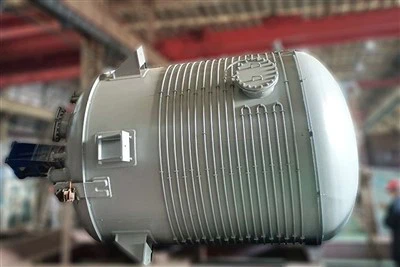
Hey there! As a supplier of stirred reactors, I've seen my fair share of issues over the years. One of the most common problems that we often hear about from our customers is leakage in stirred reactors. In this blog, I'll be diving into what these leakage problems are, what causes them, and how you can prevent them.
First off, let's talk about the types of stirred reactors where leakage can be an issue. We've got different kinds, like the Polymerization Reactor, the Mechanical Seal Stirred Reactor, and the Continuous Stirred Tank Reactor. Each of these reactors has its own unique design and function, but they all face the risk of leakage.
Common Leakage Points in Stirred Reactors
Shaft Seal Area
The shaft seal is a critical component in a stirred reactor. It's responsible for keeping the contents of the reactor inside while allowing the stirrer shaft to rotate. There are different types of shaft seals, such as mechanical seals and packing seals.
Mechanical seals are widely used because they offer better sealing performance compared to packing seals. However, they're also more prone to leakage if not installed or maintained properly. Over time, the faces of the mechanical seal can wear out due to friction, especially if the reactor is operating at high speeds or under high pressure. This wear can create small gaps through which the reactor contents can leak.
Packing seals, on the other hand, consist of a series of rings that are compressed around the shaft. They're less expensive than mechanical seals but are also more likely to leak. The packing material can dry out or become damaged, reducing its sealing effectiveness.
Flange Connections
Flange connections are used to join different parts of the reactor, such as the reactor vessel and the agitator. These connections are sealed with gaskets, which are made of materials like rubber, graphite, or PTFE.
Leakage can occur at flange connections if the gaskets are not installed correctly or if they're damaged. For example, if the bolts on the flange are not tightened evenly, the gasket may not be compressed uniformly, leading to gaps and leakage. Also, exposure to chemicals or high temperatures can cause the gasket material to degrade over time, resulting in leakage.
Nozzle and Pipe Connections
Nozzles and pipes are used to introduce or remove materials from the reactor. Leakage can occur at these connections if the pipes are not properly welded or if the fittings are loose. Vibration from the stirrer can also cause the connections to loosen over time, leading to leakage.
Causes of Leakage
Improper Installation
One of the main causes of leakage in stirred reactors is improper installation. If the components are not installed according to the manufacturer's instructions, it can lead to sealing problems. For example, if the mechanical seal is not aligned correctly during installation, it can cause uneven wear and leakage.


Wear and Tear
As mentioned earlier, wear and tear are common causes of leakage. The constant movement of the stirrer shaft, the high pressure and temperature inside the reactor, and the corrosive nature of the reactor contents can all contribute to the deterioration of the sealing components.
Chemical Compatibility
The materials used in the reactor, including the seals, gaskets, and pipes, need to be compatible with the chemicals being processed. If the materials are not compatible, they can react with the chemicals, causing them to swell, crack, or degrade. This can lead to leakage over time.
High Pressure and Temperature
Stirred reactors often operate at high pressures and temperatures. These conditions can put a lot of stress on the sealing components, making them more likely to fail. For example, high pressure can cause the seals to deform, while high temperature can accelerate the degradation of the gasket materials.
Consequences of Leakage
Safety Risks
Leakage of hazardous chemicals from a stirred reactor can pose a serious safety risk to the operators and the environment. The leaked chemicals can be toxic, flammable, or corrosive, and can cause fires, explosions, or chemical burns.
Product Contamination
Leakage can also lead to product contamination. If the reactor contents leak into the surrounding environment or if external contaminants enter the reactor through the leakage point, it can affect the quality of the product being produced.
Equipment Damage
Leakage can cause damage to the reactor and other equipment in the vicinity. The leaked chemicals can corrode the metal parts of the reactor, leading to structural damage and reduced equipment lifespan.
Preventing Leakage
Proper Installation and Maintenance
Proper installation is crucial to prevent leakage. Make sure to follow the manufacturer's instructions carefully when installing the reactor components. Regular maintenance is also important. This includes inspecting the seals, gaskets, and connections for wear and damage, and replacing them as needed.
Using High - Quality Sealing Materials
Invest in high - quality sealing materials that are compatible with the chemicals being processed. This can help to reduce the risk of chemical reactions and degradation, and improve the sealing performance.
Monitoring and Control
Implement a monitoring system to detect leakage early. This can include using sensors to measure pressure, temperature, and flow rates. If any abnormal readings are detected, it can indicate a potential leakage problem, and immediate action can be taken.
Training the Operators
Proper training of the operators is essential. They should be aware of the potential leakage problems, how to prevent them, and what to do in case of a leakage. This can help to minimize the risk of human error, which is often a contributing factor to leakage.
Conclusion
Leakage problems in stirred reactors can be a major headache, but with the right knowledge and preventive measures, they can be effectively managed. As a stirred reactor supplier, we're committed to providing our customers with high - quality reactors and the support they need to ensure safe and efficient operation.
If you're facing leakage problems in your stirred reactors or if you're in the market for a new reactor, don't hesitate to reach out to us. We can offer you expert advice and solutions tailored to your specific needs. Let's work together to solve your stirred reactor problems!
References
- Perry, R. H., & Green, D. W. (1997). Perry's Chemical Engineers' Handbook. McGraw - Hill.
- Sinnott, R. K. (2005). Coulson & Richardson's Chemical Engineering: Volume 6 - Chemical Engineering Design. Elsevier.