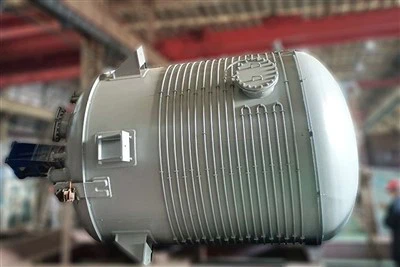
As a supplier for a Coal Chemical Pilot Plant, I've witnessed firsthand how government policies can have far - reaching impacts on the operations, development, and future prospects of such facilities. In this blog, I'll delve into the various ways government policies shape the coal chemical pilot plants and their related industries.
Environmental Policies
One of the most significant areas where government policies influence coal chemical pilot plants is in the realm of environmental regulations. With growing concerns about climate change and air pollution, governments around the world are implementing stricter environmental standards.
Coal chemical processes can generate a substantial amount of greenhouse gases, such as carbon dioxide, and pollutants like sulfur dioxide and particulate matter. Environmental policies often require pilot plants to install advanced pollution control technologies to reduce emissions. For example, scrubbers may be mandated to remove sulfur dioxide from flue gases. These requirements can have a direct impact on the cost of setting up and operating a coal chemical pilot plant.
Investing in pollution control equipment can be capital - intensive. A small - scale coal chemical pilot plant may find it challenging to allocate the necessary funds for these technologies. This can slow down the research and development process as resources are diverted from core research activities to meet environmental compliance. On the other hand, in the long run, these policies can drive innovation. Pilot plants are forced to explore new and more environmentally friendly processes. For instance, some are now researching carbon capture and storage (CCS) technologies to reduce their carbon footprint.
The government may also offer incentives for pilot plants that adopt sustainable practices. Tax breaks or subsidies can encourage the use of cleaner technologies. This not only helps the environment but also makes the coal chemical industry more sustainable in the long term.
Energy Policies
Energy policies play a crucial role in the operation of coal chemical pilot plants. Governments often set targets for energy efficiency and renewable energy integration. Coal chemical processes are energy - intensive, and pilot plants need to be aware of these policies.
If a government promotes the use of renewable energy sources, coal chemical pilot plants may be encouraged to incorporate solar, wind, or hydro - power into their operations. This can reduce their reliance on coal - based energy and lower their carbon emissions. However, integrating renewable energy sources into a coal chemical process can be technically challenging. The intermittent nature of solar and wind power, for example, requires the development of energy storage solutions or flexible process designs.
Energy efficiency policies can also impact pilot plants. They may be required to meet certain energy efficiency standards, which can drive the development of more efficient processes. For example, improving the heat recovery systems in a coal chemical pilot plant can significantly reduce energy consumption. This can lead to cost savings in the long run, but it requires upfront investment in research and development and new equipment.
Industrial and Innovation Policies
Government industrial and innovation policies can have a positive impact on coal chemical pilot plants. Many governments recognize the importance of research and development in the chemical industry and offer support for pilot plant activities.

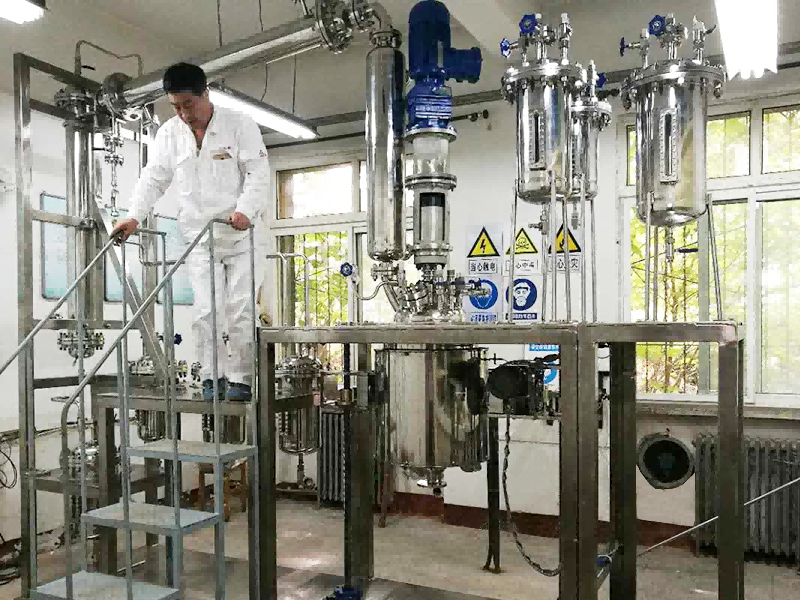
Grants and funding programs can be a lifeline for coal chemical pilot plants. These funds can be used to conduct research on new processes, develop new products, or improve existing technologies. For example, a government - sponsored research project may focus on developing more efficient catalysts for coal gasification. This can lead to more productive and cost - effective coal chemical processes.
In addition, governments may establish industrial parks or clusters for the coal chemical industry. These clusters can provide a supportive environment for pilot plants. They may offer shared infrastructure, such as laboratories and testing facilities, which can reduce the cost of research and development. Moreover, being part of an industrial cluster can facilitate knowledge sharing and collaboration among different players in the industry.
Trade and Tariff Policies
Trade and tariff policies can also affect coal chemical pilot plants. If a government imposes high tariffs on imported coal or chemical products, it can impact the cost structure of a pilot plant. For example, if a pilot plant relies on imported high - quality coal for its research, high tariffs can increase the cost of raw materials. This can make it more difficult for the pilot plant to conduct cost - effective research.
On the other hand, trade policies can also create opportunities. If a government negotiates favorable trade agreements, it can open up new markets for the products developed by coal chemical pilot plants. This can encourage pilot plants to focus on developing products with export potential. For example, a pilot plant may develop a new type of coal - based chemical that has high demand in international markets.
Technology Transfer and Intellectual Property Policies
Technology transfer and intellectual property policies are important for coal chemical pilot plants. Governments can play a role in facilitating technology transfer between different countries or industries. For example, they may support international research collaborations or provide incentives for technology licensing.
Intellectual property protection is also crucial. A coal chemical pilot plant may invest a significant amount of time and resources in developing new technologies or processes. Strong intellectual property laws can protect their innovations and give them a competitive edge. This can encourage more investment in research and development in the coal chemical industry.
Impact on Our Business as a Supplier
As a supplier for coal chemical pilot plants, these government policies directly affect our business. When environmental policies become stricter, we need to develop and supply more advanced pollution control equipment. This requires us to invest in research and development to meet the new standards. For example, we may need to work on improving the efficiency of our Catalytic Cracking Test Unit to reduce emissions during the cracking process.
Energy policies also influence our product offerings. We may need to develop equipment that is more energy - efficient or can integrate with renewable energy sources. Our Distillation Adsorption Extraction Facility may need to be redesigned to consume less energy.
Industrial and innovation policies can create opportunities for us. When governments offer funding for pilot plant projects, it can lead to more orders for our equipment. We can also participate in research projects supported by the government, which can help us improve our products and expand our knowledge base.
In conclusion, government policies have a multi - faceted impact on coal chemical pilot plants. While some policies may pose challenges, they also present opportunities for innovation and growth. As a supplier, we are constantly adapting to these policies to better serve our customers. If you are involved in a coal chemical pilot plant project and are looking for high - quality equipment and solutions, we are here to help. Contact us to discuss your specific needs and explore how we can support your project.
References
- Environmental Protection Agency reports on coal chemical industry regulations
- International Energy Agency publications on energy policies and the chemical industry
- Government - issued industrial and innovation policy documents
- Trade and tariff reports from relevant government departments