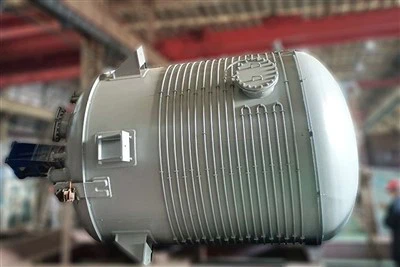
As a supplier of Coal Chemical Pilot Plants, I understand the critical importance of having well - defined emergency response plans in place. These plans are not only essential for the safety of personnel but also for protecting the environment and ensuring the continuity of operations. In this blog, I will delve into the various aspects of emergency response plans for a Coal Chemical Pilot Plant.
1. Hazard Identification
Before formulating an emergency response plan, it is crucial to identify the potential hazards in a Coal Chemical Pilot Plant. Coal chemical processes involve the use of various chemicals such as coal, catalysts, and solvents. These substances can pose significant risks, including fire, explosion, toxic gas release, and environmental pollution.
For example, during the coal gasification process, combustible gases like hydrogen and carbon monoxide are produced. A leak in the gas pipeline can lead to a fire or explosion if there is an ignition source. Additionally, some of the chemicals used in the Catalytic Cracking Test Unit can be toxic and harmful to human health if inhaled or come into contact with the skin.
2. Emergency Response Team
An effective emergency response plan requires a well - trained and organized emergency response team. This team should consist of personnel from different departments, including operations, maintenance, safety, and environmental management.
The responsibilities of the emergency response team include:
- Emergency Detection and Alarm: The team members are trained to detect the signs of an emergency, such as abnormal pressure, temperature, or gas concentration. Once an emergency is detected, they are responsible for activating the alarm system to alert all personnel in the plant.
- Evacuation Coordination: In case of a major emergency, the team is in charge of coordinating the evacuation of all personnel from the plant. They need to ensure that all employees are aware of the evacuation routes and assembly points.
- Initial Response: The emergency response team will carry out the initial response actions, such as shutting down the equipment, isolating the affected area, and providing first - aid to the injured.
3. Fire and Explosion Response
Fire and explosion are among the most serious emergencies in a Coal Chemical Pilot Plant. To respond to these emergencies, the following measures should be included in the emergency response plan:
Fire Prevention
- Fire - Resistant Design: The plant should be designed with fire - resistant materials and proper ventilation systems to prevent the spread of fire.
- Electrical Safety: Electrical equipment should be regularly inspected and maintained to prevent electrical fires.
- Hot Work Permits: Any hot work, such as welding or cutting, should be carried out under a valid hot work permit, which includes strict safety precautions.
Fire and Explosion Response Actions
- Fire Suppression Systems: The plant should be equipped with appropriate fire suppression systems, such as sprinklers, foam systems, and dry chemical extinguishers. The emergency response team should be trained to operate these systems effectively.
- Isolation and Venting: In case of a fire or explosion, the affected equipment and pipelines should be isolated to prevent the spread of the fire and the release of more combustible materials. Venting systems can be used to release the pressure and reduce the risk of further explosions.
4. Toxic Gas Release Response
Coal chemical processes can produce toxic gases, such as sulfur dioxide, hydrogen sulfide, and ammonia. A toxic gas release can have serious consequences for the health of personnel and the environment.
Gas Detection Systems
The plant should be equipped with gas detection systems to monitor the concentration of toxic gases in the air. These systems should be calibrated regularly to ensure their accuracy.
Response Actions
- Evacuation and Shelter - in - Place: In case of a toxic gas release, personnel should be evacuated immediately if the situation allows. If evacuation is not possible, they should be instructed to shelter in a safe area with proper ventilation and air filtration.
- Gas Neutralization and Clean - up: The emergency response team should be trained to use appropriate methods to neutralize and clean up the toxic gases. This may involve the use of absorbents, scrubbers, or other chemical treatment methods.
5. Environmental Protection in Emergencies
A Coal Chemical Pilot Plant can have a significant impact on the environment in case of an emergency. Therefore, the emergency response plan should include measures to protect the environment.
Spill Containment
The plant should have spill containment systems, such as dikes and sumps, to prevent the spread of chemicals in case of a spill. The emergency response team should be trained to quickly contain and clean up spills to minimize the environmental impact.
Waste Management
In the aftermath of an emergency, there may be a large amount of waste generated, including contaminated soil, water, and equipment. The emergency response plan should outline the procedures for proper waste management, including the collection, storage, and disposal of waste in accordance with environmental regulations.
6. Training and Drills
Regular training and drills are essential to ensure the effectiveness of the emergency response plan. All personnel in the plant should receive training on emergency response procedures, including hazard identification, alarm activation, evacuation, and first - aid.
Drills should be conducted at regular intervals to test the response capabilities of the emergency response team and to familiarize all employees with the emergency procedures. After each drill, a debriefing session should be held to identify areas for improvement and to update the emergency response plan accordingly.
7. Communication and Coordination
Effective communication and coordination are crucial during an emergency. The emergency response plan should include a communication protocol that defines how information will be shared among the emergency response team, plant management, and external agencies, such as the fire department and environmental protection agencies.
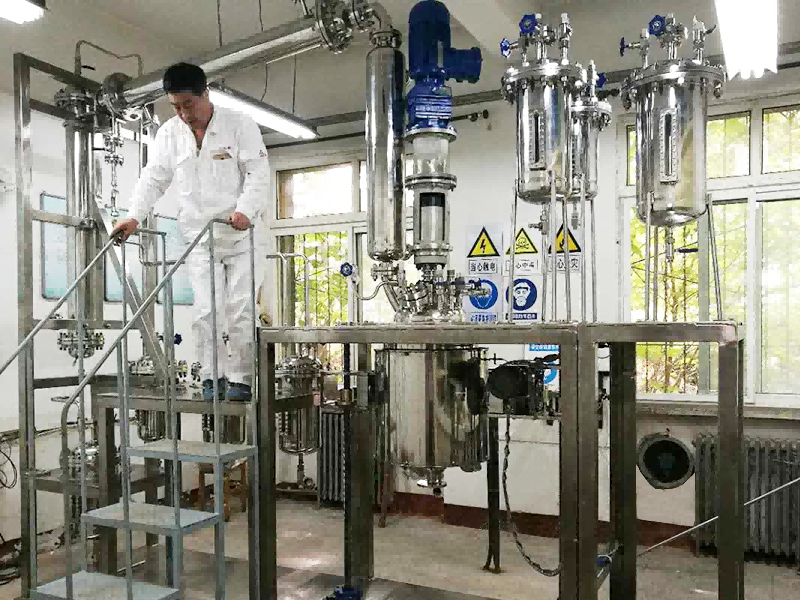

In addition, the plant should establish a communication system that can function even in case of a power outage or other disruptions. This may include the use of emergency radios, satellite phones, or other reliable communication devices.
8. Equipment and Resources
A Coal Chemical Pilot Plant should have the necessary equipment and resources to respond to emergencies. This includes:
- Emergency Equipment: Such as fire extinguishers, gas masks, first - aid kits, and protective clothing.
- Spare Parts and Supplies: To ensure the quick repair and restoration of equipment in case of damage during an emergency.
- Backup Power and Water Supply: To maintain essential functions in the plant during a power outage or water supply disruption.
9. Supplier's Role in Emergency Response
As a supplier of Coal Chemical Pilot Plants, we play an important role in supporting the emergency response efforts of our customers. We provide:
- Technical Support: Our technical experts can offer guidance on the proper operation and maintenance of the pilot plant equipment to prevent emergencies. In case of an emergency, they can provide remote or on - site technical support to help resolve the issue.
- Training and Education: We offer training programs for the plant operators and emergency response teams on the safe operation of our equipment and emergency response procedures.
- Supply of Spare Parts and Equipment: We ensure the timely supply of spare parts and equipment to help the plant recover quickly from an emergency.
10. Conclusion and Call to Action
In conclusion, having a comprehensive emergency response plan is essential for the safe and efficient operation of a Coal Chemical Pilot Plant. By identifying the potential hazards, establishing an emergency response team, and implementing appropriate response measures, the plant can minimize the impact of emergencies on personnel, the environment, and operations.
If you are in the market for a Coal Chemical Pilot Plant or need to enhance your existing emergency response plan, we are here to help. Our Catalytic Cracking Test Unit, Lab Autoclave, and Distillation Adsorption Extraction Facility are designed with safety and reliability in mind. Contact us today to discuss your specific requirements and start the procurement process.
References
- National Fire Protection Association (NFPA). "NFPA Codes and Standards for Chemical Plants."
- Occupational Safety and Health Administration (OSHA). "Safety Guidelines for Chemical Manufacturing Facilities."
- Environmental Protection Agency (EPA). "Regulations for Environmental Protection in Chemical Plants."