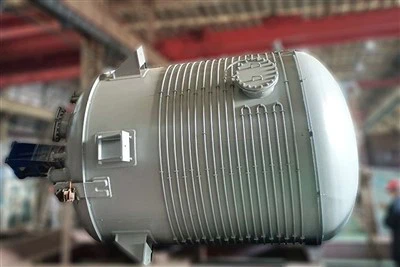
As a supplier of Copper Steel Clad Plate, I've witnessed firsthand the growing demand for this remarkable material in various industries. In this blog post, I'll delve into the unique characteristics of cold-rolled Copper Steel Clad Plate, shedding light on why it's becoming an increasingly popular choice for many applications.
1. Excellent Electrical Conductivity
One of the most prominent features of cold-rolled Copper Steel Clad Plate is its outstanding electrical conductivity. Copper, known for its high electrical conductivity, is the primary contributor to this characteristic. When combined with steel, the resulting clad plate maintains a significant portion of copper's electrical properties. This makes it an ideal material for electrical applications such as electrical connectors, busbars, and switchgear components.
In electrical systems, efficient conductivity is crucial to minimize energy losses and ensure reliable performance. The Copper Steel Clad Plate offers a cost - effective solution compared to using pure copper, as steel provides the necessary structural support while copper contributes to the electrical conductivity. For example, in power distribution systems, busbars made from Copper Steel Clad Plate can handle large amounts of electrical current with minimal resistance, reducing power losses and improving overall system efficiency.
2. High Thermal Conductivity
Similar to its electrical conductivity, cold-rolled Copper Steel Clad Plate also exhibits high thermal conductivity. Copper has excellent heat transfer properties, and when it forms a clad with steel, the composite plate can efficiently transfer heat. This characteristic is highly valuable in heat exchangers, radiator fins, and other thermal management applications.
In heat exchangers, the ability to transfer heat quickly and effectively is essential for optimal performance. The Copper Steel Clad Plate allows for efficient heat exchange between different fluids, enhancing the overall efficiency of the heat exchanger. For instance, in automotive radiators, using Copper Steel Clad Plate can improve the cooling performance, helping to maintain the engine at an optimal operating temperature.


3. Good Mechanical Properties
The combination of copper and steel in the clad plate results in good mechanical properties. Steel provides strength, hardness, and toughness, while copper adds ductility and malleability. This makes the cold-rolled Copper Steel Clad Plate suitable for applications that require both strength and formability.
In structural applications, the high strength of steel in the clad plate allows it to withstand heavy loads and stresses. At the same time, the ductility of copper enables the plate to be easily formed into various shapes without cracking or breaking. For example, in the manufacturing of machinery parts, the Copper Steel Clad Plate can be fabricated into complex shapes through processes such as bending, stamping, and welding, meeting the specific design requirements of different parts.
4. Corrosion Resistance
Copper has natural corrosion - resistant properties, and when it is clad with steel, it can protect the steel substrate from corrosion. The copper layer acts as a barrier, preventing the steel from coming into direct contact with corrosive substances in the environment. This makes the cold-rolled Copper Steel Clad Plate suitable for applications in corrosive environments, such as marine and chemical industries.
In marine applications, the plate can be used in shipbuilding, offshore platforms, and seawater desalination plants. The corrosion resistance of the Copper Steel Clad Plate helps to extend the service life of these structures, reducing maintenance costs and improving reliability. In the chemical industry, it can be used in storage tanks, pipelines, and reaction vessels, where it can resist the corrosion of various chemicals.
5. Weldability
Cold-rolled Copper Steel Clad Plate has good weldability. It can be welded using common welding methods such as arc welding, gas welding, and resistance welding. This makes it convenient for fabricators to join the clad plate with other components during the manufacturing process.
The ability to weld the Copper Steel Clad Plate allows for the creation of complex structures and assemblies. For example, in the construction of large - scale electrical equipment, the clad plate can be welded to other metal parts to form a complete electrical system. The weld joints can maintain the integrity of the clad structure, ensuring the proper functioning of the equipment.
6. Cost - effectiveness
Compared to using pure copper or other high - performance materials, cold-rolled Copper Steel Clad Plate offers a cost - effective solution. By combining the advantages of copper and steel, it provides similar performance at a lower cost. The use of steel as the base material reduces the amount of expensive copper required, while still achieving the desired properties.
In many industries, cost is a significant factor in material selection. The Copper Steel Clad Plate allows manufacturers to balance performance and cost, making it an attractive option for a wide range of applications. For example, in the electronics industry, where cost control is crucial, using Copper Steel Clad Plate in electrical components can reduce production costs without sacrificing performance.
Comparison with Other Clad Plates
When compared to other clad plates such as Nickel-base Steel Clad Plate and Titanium Steel Clad Plate, the Copper Steel Clad Plate has its own unique advantages. While nickel - base and titanium - steel clad plates are known for their high corrosion resistance and high - temperature performance in specific environments, the Copper Steel Clad Plate excels in electrical and thermal conductivity.
For applications that require efficient electrical and thermal transfer, such as electrical and thermal management systems, the Copper Steel Clad Plate is often the preferred choice. On the other hand, for applications in highly corrosive or high - temperature environments, nickel - base or titanium - steel clad plates may be more suitable.
Conclusion
Cold-rolled Copper Steel Clad Plate possesses a variety of excellent characteristics, including high electrical and thermal conductivity, good mechanical properties, corrosion resistance, weldability, and cost - effectiveness. These features make it a versatile material that can be used in a wide range of industries, from electrical and electronics to automotive and marine.
If you are in need of high - quality Copper Steel Clad Plate for your projects, we are here to provide you with the best products and services. Our team of experts can assist you in selecting the most suitable clad plate based on your specific requirements. Feel free to contact us for more information and to start a procurement discussion.
References
- ASM Handbook Committee. ASM Handbook Volume 1: Properties and Selection: Irons, Steels, and High - Performance Alloys. ASM International, 2007.
- Kutz, Myer. Mechanical Engineers' Handbook: Materials and Mechanical Design. John Wiley & Sons, 2010.
- Welding Handbook Committee. Welding Handbook Volume 2: Welding Processes. American Welding Society, 2012.