Hey there! I'm a supplier of Coal Chemical Pilot Plants, and today I wanna chat about the catalyst requirements in a Coal Chemical Pilot Plant. It's super important stuff if you're into coal chemical processes, so let's dive right in.
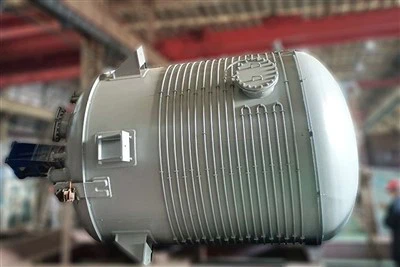
First off, what exactly is a coal chemical pilot plant? Well, it's a small - scale setup that mimics the real - deal coal chemical production process. It's used for testing new technologies, optimizing existing ones, and getting a feel for how different factors interact before scaling up to full - blown industrial production. You can learn more about it here.
Now, onto catalysts. Catalysts are like the magic keys in a coal chemical pilot plant. They speed up chemical reactions without getting used up themselves, which is a huge plus. In coal chemical processes, catalysts can make the difference between a slow, inefficient reaction and a fast, cost - effective one.
Activity
One of the most crucial requirements for a catalyst in a coal chemical pilot plant is high activity. Activity refers to how well a catalyst can speed up a specific chemical reaction. In coal chemical reactions, like coal gasification or liquefaction, we need catalysts that can break down complex coal molecules quickly and efficiently.
For example, in coal gasification, the goal is to convert coal into a mixture of gases like carbon monoxide, hydrogen, and methane. A highly active catalyst can help break the strong carbon - carbon and carbon - hydrogen bonds in coal at lower temperatures and pressures. This not only saves energy but also makes the process more economically viable. If a catalyst has low activity, the reaction might take forever, or it might not even happen at all under the conditions of the pilot plant.
Selectivity
Selectivity is another key factor. It's all about getting the right products from the reaction. In a coal chemical process, there can be multiple possible products, and we usually want to target specific ones. A good catalyst should be able to direct the reaction towards the desired products and minimize the formation of unwanted by - products.
Let's say we're aiming for high - quality syngas (a mixture of carbon monoxide and hydrogen) during coal gasification. A selective catalyst will promote the reactions that lead to syngas production while suppressing reactions that form things like tar or char. This is important because unwanted by - products can clog up the pilot plant equipment, reduce the overall efficiency of the process, and increase the cost of separation and purification.
Stability
Stability is a must - have for catalysts in a coal chemical pilot plant. The reaction conditions in these plants can be pretty harsh, with high temperatures, pressures, and the presence of various chemicals. A stable catalyst can withstand these conditions without losing its activity or selectivity over time.
If a catalyst deactivates quickly, it means we'll have to replace it frequently, which is both costly and time - consuming. For instance, in a long - term coal liquefaction experiment in a pilot plant, a catalyst that degrades rapidly will lead to inconsistent results and make it difficult to optimize the process. A stable catalyst ensures that the pilot plant can run smoothly for extended periods, allowing for reliable data collection and process optimization.
Resistance to Poisoning
In coal chemical processes, there are often impurities in the coal or the reaction environment that can act as poisons for the catalyst. These poisons can bind to the active sites of the catalyst and prevent it from working effectively. So, a good catalyst should have high resistance to poisoning.
Sulfur compounds are common poisons in coal. They can react with the catalyst surface and change its chemical properties. A catalyst that is resistant to sulfur poisoning can continue to function even in the presence of relatively high levels of sulfur in the coal. This is crucial because removing all impurities from coal before the reaction can be extremely expensive. By using a poison - resistant catalyst, we can simplify the pre - treatment process and make the overall coal chemical process more practical.
Regenerability
Regenerability is also an important consideration. Even the best catalysts will eventually lose some of their activity over time. But if a catalyst can be regenerated, it means we can restore its performance and use it again.
In a coal chemical pilot plant, being able to regenerate the catalyst saves a lot of money. Instead of constantly buying new catalysts, we can simply regenerate the existing ones. There are different methods of catalyst regeneration, such as heating the catalyst in the presence of oxygen to burn off any adsorbed impurities or treating it with specific chemicals. A catalyst that can be easily and effectively regenerated is a big advantage in a pilot plant setting.
Compatibility with the Pilot Plant Equipment
The catalyst also needs to be compatible with the equipment in the coal chemical pilot plant. Different types of reactors and separation units have their own operating conditions and material requirements. The catalyst should not cause any corrosion or damage to the equipment.
For example, if the pilot plant uses a stainless - steel reactor, the catalyst should not react with the stainless steel and cause it to corrode. Also, the physical properties of the catalyst, like its particle size and shape, should be suitable for the flow and mixing conditions in the reactor. If the catalyst particles are too large, they might not mix well with the coal and other reactants, leading to uneven reactions.
Cost - effectiveness
Last but not least, cost - effectiveness is a major factor. In a pilot plant, we're always looking for ways to keep costs down while still achieving good results. A catalyst that is too expensive might not be practical, even if it has excellent activity, selectivity, and stability.
We need to find a balance between the performance of the catalyst and its cost. Sometimes, a slightly less active but much cheaper catalyst might be a better choice for a pilot plant, especially when we're still in the experimental phase and trying to figure out the best process conditions. As we move towards full - scale industrial production, we can then re - evaluate and potentially switch to a more expensive but higher - performance catalyst if it makes economic sense.
If you're in the market for a coal chemical pilot plant or are interested in the catalysts used in these plants, we've got some great options. We also offer Catalytic Cracking Test Unit and Simulation and Semi - industrial Pilot Plant services to help you with your research and development.
If you have any questions or want to discuss your specific requirements for a coal chemical pilot plant, don't hesitate to reach out. We're here to help you find the right solutions for your project. Whether you're a researcher looking to test new concepts or a company planning to enter the coal chemical industry, we can provide the expertise and equipment you need.


References
- Smith, J. (2018). Catalysis in Coal Chemical Processes. Journal of Coal Chemistry, 25(3), 123 - 135.
- Johnson, A. (2019). Catalyst Selection for Coal Gasification in Pilot Plants. International Journal of Coal Technology, 32(2), 89 - 98.
- Brown, K. (2020). Improving Catalyst Stability in Coal Liquefaction. Advances in Coal Chemical Research, 45(1), 45 - 56.