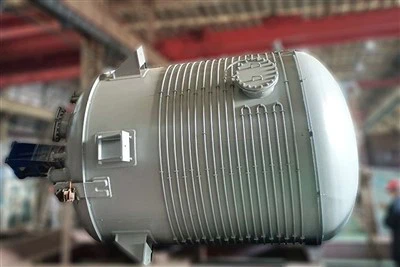
Hey there! I'm a supplier for a Coal Chemical Pilot Plant, and I know how crucial it is to pick the right materials for equipment to prevent corrosion. Corrosion can mess up your operations big time, leading to costly repairs and downtime. So, let's dive into how you can make smart material selections.
Understanding the Corrosive Environment
First things first, you gotta understand the corrosive environment in your coal chemical pilot plant. Coal chemical processes involve all sorts of chemicals, high temperatures, and pressures, which can be super tough on equipment. For example, in processes like coal gasification, you're dealing with hydrogen sulfide, carbon monoxide, and other corrosive gases. These can eat away at metals over time if the wrong materials are used.
The pH level of the process fluids also matters a lot. Acidic or alkaline conditions can accelerate corrosion. And don't forget about the presence of water. Moisture can promote corrosion, especially when combined with certain chemicals. So, before you start choosing materials, take a good look at the specific conditions in your plant. Analyze the chemical composition of the process streams, the temperature and pressure ranges, and the potential for water ingress.
Types of Corrosion in Coal Chemical Pilot Plants
There are several types of corrosion that you might encounter in a coal chemical pilot plant. One common type is uniform corrosion, which occurs when the entire surface of a metal is attacked at a relatively constant rate. This can happen when metals are exposed to corrosive chemicals in the process fluids.
Pitting corrosion is another problem. It's more localized, where small holes or pits form on the metal surface. This can be particularly dangerous because it can lead to the failure of the equipment even though only a small area is affected. Pitting is often caused by the presence of chloride ions in the process fluids.
Stress corrosion cracking is also a concern. It happens when a metal is under stress and exposed to a corrosive environment. The combination of stress and corrosion can cause cracks to form and propagate, leading to catastrophic failure. In a coal chemical pilot plant, equipment like pipes and pressure vessels can be at risk of stress corrosion cracking due to the high pressures and temperatures involved.
Material Selection Criteria
Now that you know what you're up against, let's talk about the criteria for selecting materials to prevent corrosion.
Chemical Resistance
The most important factor is chemical resistance. You need to choose materials that can withstand the specific chemicals in your process. For example, stainless steels are often a good choice because they have excellent resistance to many corrosive chemicals. Different grades of stainless steel have different levels of corrosion resistance, so you need to pick the right one for your application.
If you're dealing with highly acidic or alkaline environments, you might consider using materials like titanium or nickel alloys. These metals have superior corrosion resistance in harsh chemical conditions. However, they can be more expensive, so you need to balance the cost with the benefits.
Mechanical Properties
In addition to chemical resistance, you also need to consider the mechanical properties of the materials. The equipment in a coal chemical pilot plant needs to be able to withstand the mechanical stresses caused by pressure, temperature changes, and vibration. Materials with high strength and good ductility are usually preferred.
For example, carbon steels are strong and relatively inexpensive, but they may not have the best corrosion resistance. You can use carbon steels in areas where the corrosion risk is low, and then protect them with coatings or linings.
Temperature and Pressure Resistance
The temperature and pressure conditions in your plant will also affect your material selection. Some materials may lose their strength or corrosion resistance at high temperatures. For example, certain polymers may melt or degrade at elevated temperatures.
On the other hand, some metals may become brittle at low temperatures. So, you need to choose materials that can maintain their properties over the entire temperature and pressure range of your process.
Specific Materials for Different Equipment
Let's take a look at some specific materials that are commonly used for different types of equipment in a coal chemical pilot plant.
Pipes and Tubing
For pipes and tubing, stainless steel is a popular choice. It has good corrosion resistance, high strength, and is relatively easy to install. Different grades of stainless steel, such as 304 and 316, can be used depending on the corrosiveness of the process fluid.
If you're dealing with highly corrosive chemicals, you might consider using lined pipes. These are pipes with an inner lining made of a corrosion-resistant material, such as PTFE (polytetrafluoroethylene). The lining provides an extra layer of protection against corrosion.
Reactors and Vessels
Reactors and vessels are often made of stainless steel or nickel alloys. These materials can withstand the high pressures and temperatures involved in chemical reactions. Nickel alloys, such as Inconel, are particularly good for applications where there is a risk of stress corrosion cracking.
You can also use composite materials for reactors and vessels. Composites are made of a combination of different materials, such as fiberglass and resin. They have good corrosion resistance and can be designed to have the required mechanical properties.
Heat Exchangers
Heat exchangers are critical components in a coal chemical pilot plant. They transfer heat between different process streams. For heat exchangers, materials with good thermal conductivity and corrosion resistance are needed.
Copper-nickel alloys are often used because they have high thermal conductivity and good resistance to corrosion in seawater and other aqueous environments. Titanium is another option for heat exchangers in highly corrosive applications.
Using Coating and Linings
In addition to choosing the right materials, you can also use coatings and linings to protect your equipment from corrosion. Coatings can provide a barrier between the metal surface and the corrosive environment.
There are different types of coatings available, such as epoxy coatings, polyurethane coatings, and ceramic coatings. Epoxy coatings are commonly used because they have good adhesion and corrosion resistance. Polyurethane coatings are more flexible and can withstand some mechanical stress. Ceramic coatings are very hard and can provide excellent protection against abrasion and corrosion.
Linings are another option. As mentioned earlier, lined pipes are a common example. You can also use linings in reactors and vessels. Rubber linings are often used in applications where there is a risk of abrasion and corrosion.
Case Studies
Let's look at a couple of case studies to see how material selection can prevent corrosion in a coal chemical pilot plant.
In one plant, they were using carbon steel pipes for a process that involved the transport of a mildly acidic solution. Over time, the pipes started to corrode, and there were leaks. They decided to replace the carbon steel pipes with stainless steel pipes. The stainless steel pipes had much better corrosion resistance, and the problem was solved. The plant saved money on repairs and avoided downtime.

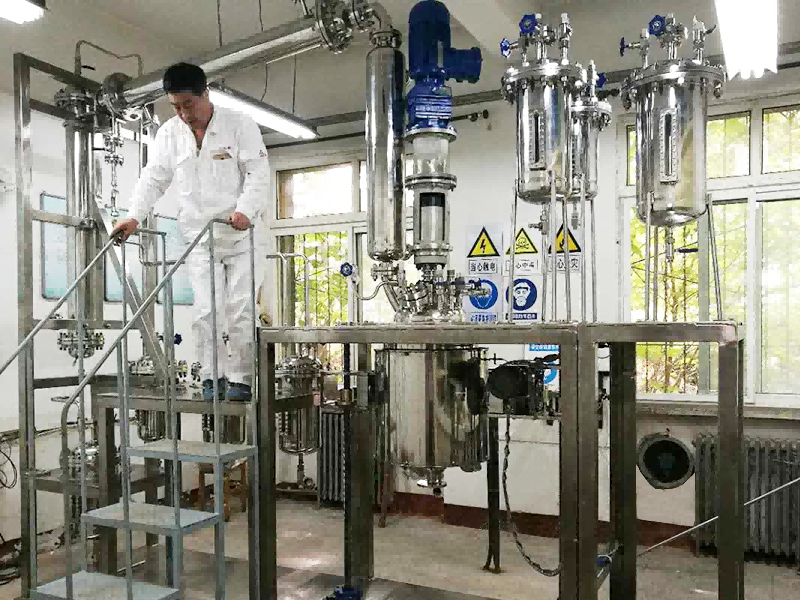
In another case, a reactor was experiencing stress corrosion cracking. The original material was a low-grade stainless steel. They replaced it with a high-nickel alloy, which had better resistance to stress corrosion cracking. After the replacement, the reactor operated without any problems, and the risk of failure was significantly reduced.
Conclusion
Selecting the right materials for equipment in a coal chemical pilot plant is essential to prevent corrosion. You need to understand the corrosive environment, the types of corrosion that can occur, and the material selection criteria. By choosing the appropriate materials and using coatings and linings, you can extend the lifespan of your equipment, reduce maintenance costs, and ensure the smooth operation of your plant.
If you're in the market for equipment for your coal chemical pilot plant, we can help. We offer a wide range of high-quality equipment, including Catalytic Cracking Test Unit, Distillation Adsorption Extraction Facility, and Simulation and Semi-industrial Pilot Plant. Our team of experts can assist you in selecting the right materials for your specific needs. Contact us to start a procurement discussion and find the best solutions for your plant.
References
- Fontana, M. G. (1986). Corrosion Engineering. McGraw-Hill.
- Uhlig, H. H., & Revie, R. W. (1985). Corrosion and Corrosion Control. Wiley-Interscience.
- Schweitzer, P. A. (1998). Corrosion Resistance Tables. Marcel Dekker.