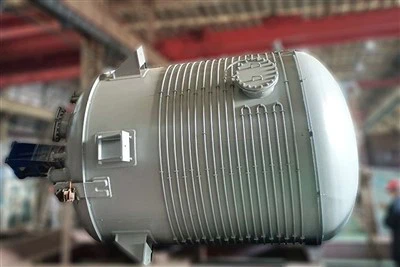
Hey there! As a supplier of lab autoclaves, I've seen my fair share of scale build - up issues. Scale in a lab autoclave can be a real pain. It not only affects the autoclave's performance but also shortens its lifespan. So, in this blog, I'm gonna share some tips on how to remove scale from a lab autoclave.
Understanding Scale in Lab Autoclaves
First off, let's talk about what scale is. Scale is basically a hard, crusty deposit that forms inside the autoclave. It's usually made up of minerals like calcium and magnesium that are present in the water you use in the autoclave. When the water is heated, these minerals precipitate out and stick to the surfaces of the autoclave.
The build - up of scale can cause all sorts of problems. It can reduce the efficiency of the autoclave by insulating the heating elements, which means it takes longer to reach the desired temperature. It can also clog the pipes and valves, leading to poor water circulation and potential malfunctions.
Pre - Treatment: Water Quality Matters
One of the best ways to prevent scale build - up is to start with good water quality. Using distilled or deionized water in your autoclave can significantly reduce the amount of scale that forms. These types of water have had most of the minerals removed, so there's less to precipitate out when heated.
If you can't use distilled or deionized water all the time, you can consider using a water softener. A water softener works by exchanging the calcium and magnesium ions in the water with sodium ions. This reduces the hardness of the water and decreases the likelihood of scale formation.
Manual Scale Removal
If you already have scale in your autoclave, there are a few manual methods you can try.


Vinegar Solution
Vinegar is a natural and effective way to remove scale. Mix a solution of equal parts white vinegar and water. Make sure to turn off the autoclave and let it cool down completely before you start.
Remove any removable parts like trays or racks from the autoclave. Then, pour the vinegar solution into the autoclave and let it sit for a few hours or overnight. The acid in the vinegar will help dissolve the scale. After soaking, use a soft brush or sponge to gently scrub away the loosened scale. Rinse the autoclave thoroughly with clean water to remove any vinegar residue.
Citric Acid Solution
Citric acid is another great option. You can buy citric acid powder at most grocery or hardware stores. Mix about 1 - 2 tablespoons of citric acid per liter of water.
Just like with the vinegar solution, turn off and cool the autoclave, remove any removable parts, and pour the citric acid solution into the autoclave. Let it soak for a couple of hours. Then, use a soft brush to scrub the scale away. Rinse well to get rid of the citric acid.
Chemical Descaling Agents
There are also commercial chemical descaling agents available. These are specifically formulated to remove scale from autoclaves and other equipment.
When using a chemical descaling agent, it's important to follow the manufacturer's instructions carefully. Wear protective gloves and goggles to avoid contact with the chemicals.
Most chemical descaling agents work by dissolving the scale quickly. After using the descaling agent, you'll need to rinse the autoclave multiple times to ensure that all the chemical residue is removed.
Ultrasonic Cleaning
Ultrasonic cleaning is a more advanced method for removing scale. Ultrasonic cleaners use high - frequency sound waves to create tiny bubbles in a cleaning solution. These bubbles collapse near the surface of the scale, creating a scrubbing action that can dislodge the scale.
You can use an ultrasonic cleaner for small, removable parts of the autoclave. Just place the parts in the cleaner with an appropriate cleaning solution and let it run for the recommended time.
Post - Cleaning Maintenance
After you've removed the scale from your autoclave, it's important to keep up with regular maintenance.
- Regular Inspections: Check the autoclave regularly for any signs of new scale build - up. Look inside the chamber, around the heating elements, and in the pipes and valves.
- Proper Water Usage: Continue to use distilled or deionized water or a water softener to prevent future scale problems.
- Cleaning Schedule: Set up a regular cleaning schedule. Depending on how often you use the autoclave, you might need to clean it every few weeks or months.
Related Pilot Plant Equipment
If you're involved in various lab processes, you might also be interested in some of our other products. Check out our Coal Chemical Pilot Plant, Polymer Rubber Test Unit, and Simulation and Semi - industrial Pilot Plant. These products can enhance your lab's capabilities and help you achieve more accurate results.
Contact Us for Purchase and Consultation
If you're facing scale issues with your autoclave or want to purchase a new one, don't hesitate to get in touch. We're here to help you find the best solutions for your lab needs. Whether you need advice on scale removal or want to discuss the right autoclave for your specific requirements, we've got you covered.
References
- "Autoclave Maintenance Guide", Industry Standard Manual
- "Water Quality and Scale Formation in Laboratory Equipment", Journal of Laboratory Science