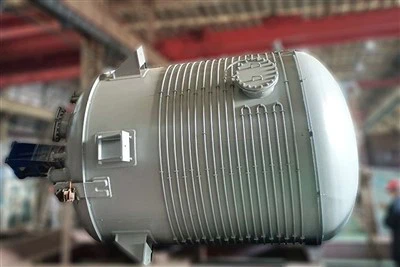
Hey there! I'm a supplier of stirred reactors, and I know that one of the biggest concerns for our customers is the cost. Running a business means keeping an eye on the bottom line, and the cost of stirred reactors can take a big chunk out of your budget. But don't worry, I've got some tips and tricks to help you reduce those costs without sacrificing quality.
1. Choose the Right Type of Stirred Reactor
First things first, you need to pick the right type of stirred reactor for your specific needs. There are different kinds out there, like the Hydrogenation Reactor, Magnetically Driven Stirred Reactor, and Continuous Stirred Tank Reactor. Each has its own features, advantages, and costs.
If you're doing a simple mixing job that doesn't require high pressure or special conditions, a basic continuous stirred tank reactor might be enough. It's usually less expensive than some of the more specialized ones. On the other hand, if you're working on a hydrogenation process, then a hydrogenation reactor is the way to go, but make sure you really need all its features. Don't over - spec your reactor because that'll just drive up the cost.


2. Optimize the Design
When it comes to the design of the stirred reactor, there are a few things you can do to save money. The size of the reactor is a big factor. A larger reactor generally costs more to build and operate. So, figure out the exact volume you need for your process. Don't go for a reactor that's way bigger than necessary just in case you might need more capacity in the future. You can always add another reactor later if your production ramps up.
The materials used in the reactor also affect the cost. For some applications, you might be able to use less expensive materials that still meet your requirements. For example, if the process doesn't involve highly corrosive substances, you don't need to use expensive corrosion - resistant alloys. Talk to your reactor supplier about the different material options and see what works best for your budget.
3. Energy Efficiency
Energy costs can be a significant part of the overall cost of running a stirred reactor. To reduce energy consumption, you can start by choosing an efficient stirring mechanism. The type of stirrer, its speed, and the power it requires all play a role.
Some modern stirrers are designed to be more energy - efficient. They can achieve the same level of mixing with less power. You can also optimize the stirring speed. Running the stirrer at a higher speed than necessary not only wastes energy but can also cause more wear and tear on the equipment. Do some testing to find the minimum speed that still gives you the desired mixing results.
Another way to save energy is by insulating the reactor. Proper insulation helps to maintain the temperature inside the reactor, reducing the amount of energy needed to heat or cool it. This is especially important if your process requires precise temperature control.
4. Maintenance and Long - Term Reliability
Regular maintenance is crucial for keeping the cost of your stirred reactor down in the long run. A well - maintained reactor is less likely to break down, which means fewer costly repairs and less downtime.
Make sure you have a maintenance schedule in place. This should include things like checking the stirrer, seals, and other components regularly. Replace worn - out parts before they cause bigger problems. It's also a good idea to train your operators on proper maintenance procedures.
When choosing a reactor, look for one that's known for its reliability. A reliable reactor will have fewer breakdowns and a longer lifespan. This might mean paying a bit more upfront, but it can save you a lot of money in the long term.
5. Bulk Purchasing and Negotiation
If you need multiple stirred reactors or you're planning a long - term relationship with your supplier, try to negotiate a better price. Bulk purchasing often comes with discounts. Talk to your supplier about your needs and see if they can offer you a better deal.
You can also compare prices from different suppliers. But don't just go for the cheapest option. Make sure you're getting a good quality reactor. Look at the supplier's reputation, the warranty they offer, and the after - sales service.
6. Process Integration
Integrating the stirred reactor into your overall production process can also lead to cost savings. For example, if you can use the waste heat from the reactor to heat other parts of the process, you can reduce your overall energy consumption.
You can also look for ways to streamline the flow of materials in and out of the reactor. This can reduce the time and energy spent on loading and unloading, as well as minimize the risk of product loss.
7. Recycling and Reusing
In some cases, you might be able to recycle or reuse materials from the reactor. For example, if you're using a catalyst in the reactor, see if it can be regenerated and reused. This can significantly reduce the cost of raw materials.
Also, when it's time to replace the reactor or some of its components, see if there are any parts that can be recycled or sold as scrap. This can help offset some of the cost of new equipment.
8. Training Your Staff
Well - trained staff can operate the stirred reactor more efficiently, which can lead to cost savings. They'll know how to use the equipment properly, avoid mistakes that could damage the reactor, and optimize the process.
Invest in training programs for your operators. Teach them about the reactor's features, how to control the stirring speed and temperature, and how to perform basic maintenance tasks. This can improve the overall performance of the reactor and reduce the likelihood of costly errors.
Conclusion
Reducing the cost of stirred reactors is all about making smart choices. From choosing the right type of reactor and optimizing its design to improving energy efficiency and maintaining it properly, there are many ways to save money.
If you're interested in learning more about how to reduce the cost of your stirred reactor or if you're looking to purchase a new one, I'd love to have a chat with you. We can discuss your specific needs and see how we can work together to find the most cost - effective solution for your business.
References
- Chemical Engineering Handbook: Covers various aspects of reactor design, operation, and cost - saving techniques.
- Industry reports on stirred reactor technology and market trends.
- Manufacturer's guides and technical documentation for different types of stirred reactors.