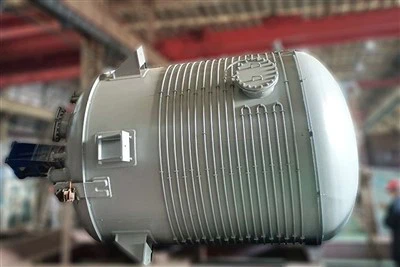
Hey there! As a supplier of Coal Chemical Pilot Plants, I've seen firsthand the importance of protecting intellectual property in this industry. It's no joke, folks. Our innovations, designs, and processes are like gold, and we need to make sure they're safeguarded. In this blog, I'll share some tips on how to protect the intellectual property of a Coal Chemical Pilot Plant.
First off, let's understand what intellectual property in a coal chemical pilot plant context means. It can include things like unique chemical processes we've developed, special equipment designs we've come up with, and even software used for process control and monitoring. All these are valuable assets that give our plants a competitive edge.
One of the most basic yet crucial steps is to get patents. A patent is like a legal shield for your invention. When we develop a new process for coal gasification or a better way to purify coal - derived chemicals, we should file for a patent. It takes time and money, but it's worth it. A patent gives us exclusive rights to use, make, and sell our invention for a certain period. This stops others from just copying what we've worked so hard on.
For example, if we've designed a Hydrogenation Test Unit that's more efficient and cost - effective than the existing ones, getting a patent will protect our design. Competitors can't simply replicate it without facing legal consequences.
Trademarks are also important. A trademark is like a brand's fingerprint. In the coal chemical industry, our company's logo, product names, and slogans are all potential trademarks. When people see our trademark, they associate it with the quality and innovation of our coal chemical pilot plants. Registering our trademarks ensures that others can't use similar marks that might confuse customers.
Let's say we have a unique name for our Catalytic Cracking Test Unit. By trademarking it, we make sure that no other company can use a name that's too similar, which could lead customers to think they're buying our product when they're not.
Copyrights are another form of protection. If we've created software for controlling the operations of our pilot plants or written technical manuals, these are protected by copyright. Copyright gives us the right to control who can reproduce, distribute, or modify our creative works.
Now, let's talk about trade secrets. In the coal chemical field, there are often little tricks and know - how that we don't want to share with the world. Maybe it's a special catalyst formula or a unique way of operating a reactor. These are trade secrets. To protect them, we need to have strict internal policies.
We should limit access to sensitive information only to employees who really need it. And we should have employees sign non - disclosure agreements (NDAs). An NDA is a legal contract that says the employee can't share our trade secrets with anyone outside the company. This way, we keep our valuable information within the company walls.
When it comes to collaborating with other companies or research institutions, we need to be extra careful. Before sharing any intellectual property, we should have a well - written cooperation agreement. This agreement should clearly define who owns the intellectual property created during the collaboration, and how it can be used.
For instance, if we're working with a university on a project to develop a Simulation and Semi - industrial Pilot Plant, the agreement should state whether the university or our company has the rights to the new technology developed, and under what conditions it can be commercialized.


We also need to be vigilant about monitoring the market. We should keep an eye on what our competitors are doing. If we suspect that someone is infringing on our intellectual property, we need to take action quickly. This could involve sending a cease - and - desist letter, or if necessary, filing a lawsuit.
In addition to legal protection, we should also invest in physical security. Our pilot plants are full of sensitive information and equipment. We need to have proper security measures in place, like access control systems, surveillance cameras, and security guards. This helps prevent unauthorized access to our facilities and the theft of our intellectual property.
Employee training is also essential. We should educate our employees about the importance of intellectual property protection. They need to know what information is sensitive and how to handle it properly. Regular training sessions can keep employees aware of the latest threats and best practices.
Another aspect is international protection. In today's global market, our coal chemical pilot plants may be sold or used in different countries. We need to make sure that our intellectual property is protected worldwide. This might involve filing for patents and trademarks in multiple countries, which can be a complex process but is necessary to safeguard our global interests.
As a supplier, we want to build trust with our customers. When they know that we take intellectual property protection seriously, they're more likely to do business with us. They can be confident that the technology and products they're buying are unique and won't be easily replicated by others.
If you're in the market for a coal chemical pilot plant, whether it's a Hydrogenation Test Unit, a Catalytic Cracking Test Unit, or a Simulation and Semi - industrial Pilot Plant, we're here to offer you high - quality, innovative solutions. We've put a lot of effort into protecting our intellectual property, which means you'll get the best and most unique technology in the industry.
If you're interested in learning more about our products or have any questions regarding intellectual property protection in coal chemical pilot plants, don't hesitate to reach out. We're more than happy to have a chat and discuss how we can meet your needs. Let's start a conversation about your next coal chemical project!
References:
- "Intellectual Property Law: Principles and Policies" by Mark P. McKenna
- "Handbook of Coal Science and Technology" for general coal chemical industry knowledge
- Industry reports on intellectual property trends in the chemical and coal sectors.