


Steam leakage in a lab autoclave can pose significant risks, including reduced sterilization efficiency, potential damage to the equipment, and safety hazards for lab personnel. As a trusted Lab Autoclave supplier, we understand the importance of preventing steam leakage to ensure the optimal performance and longevity of your autoclave. In this blog post, we will explore various strategies and best practices to prevent steam leakage in a lab autoclave.

Understanding the Causes of Steam Leakage
Before delving into prevention methods, it's crucial to understand the common causes of steam leakage in a lab autoclave. Some of the primary causes include:
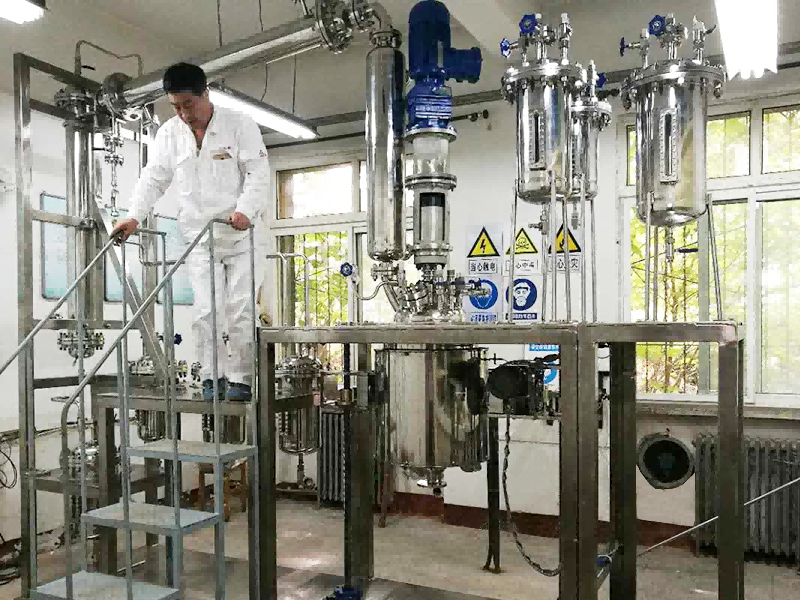
- Worn Seals and Gaskets: Over time, the seals and gaskets in an autoclave can wear out due to repeated use, exposure to high temperatures and pressures, and chemical reactions. This can lead to gaps and openings through which steam can escape.
- Improper Installation: Incorrect installation of the autoclave, including misalignment of components, loose connections, and improper sealing, can result in steam leakage.
- Damage to the Autoclave Body: Physical damage to the autoclave body, such as cracks, dents, or corrosion, can compromise the integrity of the vessel and allow steam to leak out.
- Overpressure: Exceeding the maximum operating pressure of the autoclave can cause seals and gaskets to fail, leading to steam leakage.
- Contamination: The presence of dirt, debris, or chemical residues on the seals and gaskets can prevent them from forming a tight seal, resulting in steam leakage.
Preventive Measures
Regular Maintenance and Inspection
- Seal and Gasket Replacement: Regularly inspect the seals and gaskets for signs of wear, damage, or degradation. Replace them at the recommended intervals or as soon as any issues are detected. Using high-quality seals and gaskets specifically designed for autoclave applications is essential to ensure a proper seal.
- Autoclave Body Inspection: Conduct a thorough visual inspection of the autoclave body for any signs of damage, such as cracks, dents, or corrosion. If any damage is found, it should be repaired or replaced immediately to prevent steam leakage.
- Valve and Pipe Inspection: Check the valves and pipes for proper operation and tight connections. Leaking valves or loose pipe connections can contribute to steam leakage. Replace any faulty valves or tighten loose connections as needed.
- Cleaning and Decontamination: Regularly clean the autoclave interior, including the chamber, shelves, and door, to remove dirt, debris, and chemical residues. Use appropriate cleaning agents and follow the manufacturer's instructions to ensure effective cleaning without damaging the autoclave components.
Proper Installation and Alignment
- Professional Installation: Ensure that the autoclave is installed by a qualified professional who follows the manufacturer's installation instructions carefully. Proper installation, including correct alignment of components and tight connections, is crucial to prevent steam leakage.
- Leveling and Stabilization: Place the autoclave on a level and stable surface to prevent uneven stress on the seals and gaskets. Uneven surfaces can cause misalignment and lead to steam leakage.
- Ventilation and Clearance: Provide adequate ventilation around the autoclave to prevent overheating and ensure proper operation. Maintain sufficient clearance between the autoclave and other equipment or objects to allow for easy access and maintenance.
Pressure and Temperature Control
- Follow Operating Guidelines: Adhere to the manufacturer's recommended operating pressure and temperature limits for the autoclave. Exceeding these limits can cause seals and gaskets to fail and result in steam leakage.
- Pressure Relief Valve Inspection: Regularly inspect the pressure relief valve to ensure it is functioning properly. The pressure relief valve is designed to release excess pressure in the autoclave to prevent overpressure and steam leakage.
- Temperature Monitoring: Use a reliable temperature monitoring system to ensure that the autoclave operates within the specified temperature range. Fluctuations in temperature can affect the performance of the seals and gaskets and lead to steam leakage.
Operator Training and Awareness
- Proper Training: Provide comprehensive training to all operators on the correct use and maintenance of the autoclave. Operators should be familiar with the autoclave's operating procedures, safety features, and preventive maintenance measures.
- Safety Awareness: Promote safety awareness among operators and encourage them to report any signs of steam leakage or other issues immediately. Early detection and intervention can prevent more serious problems from occurring.
Additional Tips
- Use of Steam Traps: Install steam traps in the autoclave's steam lines to remove condensate and prevent water hammer, which can cause damage to the seals and gaskets and lead to steam leakage.
- Regular Testing and Calibration: Periodically test and calibrate the autoclave's pressure and temperature sensors to ensure accurate readings and proper operation. Inaccurate sensors can lead to overpressure or underpressure, which can contribute to steam leakage.
- Keep Spare Parts on Hand: Maintain an inventory of essential spare parts, such as seals, gaskets, valves, and sensors, to ensure prompt replacement in case of a failure. This can minimize downtime and prevent steam leakage from causing further damage.
Conclusion
Preventing steam leakage in a lab autoclave is essential for ensuring the safety, efficiency, and longevity of the equipment. By following the preventive measures outlined in this blog post, including regular maintenance and inspection, proper installation and alignment, pressure and temperature control, and operator training and awareness, you can significantly reduce the risk of steam leakage and ensure the optimal performance of your autoclave.
As a leading Lab Autoclave supplier, we are committed to providing high-quality autoclaves and comprehensive support to our customers. If you have any questions or need further assistance with preventing steam leakage in your lab autoclave, please do not hesitate to [initiate a contact for procurement discussion]. We also offer a range of related products, such as Distillation Adsorption Extraction Facility and Polymer Rubber Test Unit, to meet your diverse laboratory needs. Explore our Lab Autoclave product line to find the perfect solution for your research and sterilization requirements.
References
- ASME Boiler and Pressure Vessel Code.
- Manufacturer's operating and maintenance manuals for lab autoclaves.
- Industry standards and guidelines for laboratory equipment safety and maintenance.


