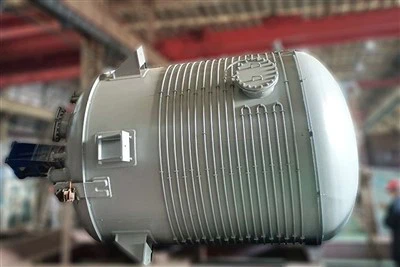
Fires in drying towers can be catastrophic, leading to significant property damage, potential loss of life, and costly disruptions to operations. As a reputable drying tower supplier, we understand the critical importance of fire prevention in these industrial structures. In this blog post, we will explore effective strategies to prevent fires in drying towers, ensuring the safety and efficiency of your operations.
Understanding the Fire Risks in Drying Towers
Before delving into prevention measures, it's essential to understand the common fire risks associated with drying towers. Drying towers are used to remove moisture from various materials, often involving the use of heat sources such as hot air or steam. These heat sources, combined with the presence of combustible materials, create a high-risk environment for fires.
One of the primary fire risks in drying towers is the accumulation of combustible dust. During the drying process, fine particles of the material being dried can become airborne and settle on surfaces within the tower. If these dust particles are not properly managed, they can form a combustible layer that can ignite when exposed to a heat source or spark.
Another significant fire risk is the use of flammable solvents or chemicals in the drying process. These substances can vaporize and create a potentially explosive atmosphere if not handled correctly. Additionally, electrical equipment and wiring within the drying tower can pose a fire hazard if they are not properly maintained or installed.
Implementing Fire Prevention Measures
To prevent fires in drying towers, it's crucial to implement a comprehensive fire prevention plan that addresses all potential fire risks. Here are some key strategies to consider:
1. Regular Maintenance and Inspection
Regular maintenance and inspection of the drying tower are essential to identify and address potential fire hazards before they become a problem. This includes checking for loose or damaged electrical connections, worn-out insulation, and blocked ventilation systems. Additionally, it's important to clean the drying tower regularly to remove any accumulated dust or debris.
2. Dust Management
Effective dust management is critical to preventing fires in drying towers. This includes installing dust collection systems to capture and remove airborne dust particles, as well as implementing a regular cleaning schedule to prevent dust from accumulating on surfaces. It's also important to ensure that the dust collection system is properly maintained and functioning correctly.
3. Ventilation
Proper ventilation is essential to prevent the accumulation of combustible gases and vapors within the drying tower. This includes installing ventilation systems that are designed to remove these gases and vapors from the tower and discharge them safely outside. It's also important to ensure that the ventilation system is properly maintained and functioning correctly.


4. Fire Suppression Systems
Installing fire suppression systems, such as sprinklers or fire extinguishers, is an important part of any fire prevention plan. These systems can help to quickly extinguish a fire before it spreads and causes significant damage. It's important to ensure that the fire suppression systems are properly installed, maintained, and tested regularly.
5. Employee Training
Employee training is essential to ensure that all personnel working in or around the drying tower are aware of the fire risks and know how to respond in the event of a fire. This includes providing training on fire prevention measures, such as proper maintenance and inspection procedures, as well as training on how to use fire suppression systems.
6. Hazardous Material Management
If your drying tower uses flammable solvents or chemicals, it's important to implement a comprehensive hazardous material management plan. This includes storing these materials in approved containers, ensuring that they are properly labeled and handled, and implementing procedures for their safe use and disposal.
The Role of Technology in Fire Prevention
In addition to implementing traditional fire prevention measures, technology can also play a significant role in preventing fires in drying towers. Here are some examples of how technology can be used to enhance fire prevention:
1. Fire Detection Systems
Installing advanced fire detection systems, such as smoke detectors and heat sensors, can help to quickly detect the presence of a fire and alert personnel to take action. These systems can be connected to a central monitoring station, allowing for immediate response in the event of a fire.
2. Remote Monitoring
Remote monitoring technology allows for real-time monitoring of the drying tower's operation, including temperature, pressure, and other critical parameters. This can help to identify potential fire hazards before they become a problem and allow for timely intervention.
3. Automation
Automation technology can be used to control and monitor the drying tower's operation, reducing the risk of human error and ensuring that the tower is operating safely and efficiently. This includes automating processes such as temperature control, ventilation, and dust collection.
Conclusion
Preventing fires in drying towers is a critical aspect of ensuring the safety and efficiency of your operations. By implementing a comprehensive fire prevention plan that addresses all potential fire risks, including regular maintenance and inspection, dust management, ventilation, fire suppression systems, employee training, and hazardous material management, you can significantly reduce the risk of fires in your drying tower.
In addition to traditional fire prevention measures, technology can also play a significant role in enhancing fire prevention. By installing advanced fire detection systems, remote monitoring technology, and automation technology, you can further improve the safety and efficiency of your drying tower.
As a leading Drying Tower supplier, we are committed to providing our customers with high-quality, reliable drying towers that are designed to meet the highest safety standards. If you have any questions or concerns about fire prevention in drying towers, or if you are interested in learning more about our products and services, please don't hesitate to contact us. We would be happy to discuss your specific needs and provide you with a customized solution.
References
- National Fire Protection Association (NFPA). NFPA 654: Standard for the Prevention of Fire and Dust Explosions from the Manufacturing, Processing, and Handling of Combustible Particulate Solids.
- Occupational Safety and Health Administration (OSHA). 29 CFR 1910.106: Flammable and Combustible Liquids.
- American Society of Mechanical Engineers (ASME). ASME Boiler and Pressure Vessel Code.