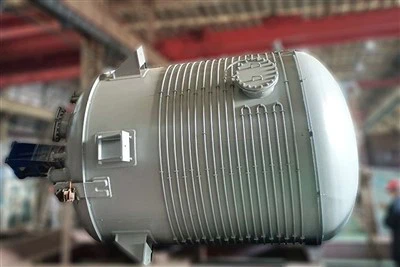
Optimizing the monomer conversion rate in a polymerization reactor is a critical aspect of the polymer manufacturing process. As a reputable supplier of polymerization reactors, we understand the challenges and intricacies involved in achieving high conversion rates. In this blog, we will explore various strategies and factors that can be considered to enhance the monomer conversion rate in a polymerization reactor.
Understanding Monomer Conversion Rate
Monomer conversion rate refers to the percentage of monomers that have reacted to form polymers during the polymerization process. A high conversion rate is desirable as it indicates efficient use of raw materials, reduced waste, and better product quality. Several factors can influence the monomer conversion rate, including reaction conditions, reactor design, and the choice of catalysts.
Reaction Conditions
Temperature
Temperature plays a crucial role in polymerization reactions. Generally, an increase in temperature can accelerate the reaction rate, leading to higher monomer conversion. However, excessive temperature can also cause side reactions, such as chain transfer or degradation, which can negatively impact the polymer quality. Therefore, it is essential to find the optimal temperature range for each specific polymerization reaction. For example, in the free - radical polymerization of styrene, the reaction is typically carried out at a temperature between 80 - 120°C to achieve a good balance between reaction rate and polymer properties.
Pressure
Pressure can also affect the monomer conversion rate, especially in reactions involving gaseous monomers. Increasing the pressure can increase the monomer concentration in the reaction mixture, which in turn can enhance the reaction rate. For instance, in the polymerization of ethylene to produce polyethylene, high - pressure processes are often used to achieve high conversion rates. However, high - pressure operation requires specialized reactor designs and safety measures.
Reaction Time
The duration of the reaction is another important factor. Longer reaction times generally allow for more monomers to react, leading to higher conversion rates. However, there is a limit to the improvement in conversion with time, as the reaction may reach an equilibrium state or side reactions may become more significant. Therefore, it is necessary to optimize the reaction time based on the reaction kinetics and the desired product properties.
Reactor Design
Mixing Efficiency
Efficient mixing is essential for ensuring uniform distribution of monomers, catalysts, and other reactants in the reactor. Poor mixing can lead to local concentration gradients, which can result in uneven reaction rates and lower overall monomer conversion. Our Mechanical Seal Stirred Reactor is designed with advanced stirring mechanisms to provide excellent mixing efficiency. The mechanical seal ensures a leak - free operation, which is crucial for maintaining the reaction conditions and preventing the loss of reactants.
Reactor Type
Different types of reactors have different characteristics that can affect the monomer conversion rate. For example, a Continuous Stirred Tank Reactor (CSTR) operates under steady - state conditions and provides good mixing, but it may have a lower conversion rate compared to a batch reactor for some reactions. On the other hand, a batch reactor allows for better control of the reaction time and can achieve high conversion rates for reactions with slow kinetics. Our Hydrogenation Reactor is specifically designed for hydrogenation reactions, which are often used in the polymer industry to modify the properties of polymers. It is optimized to provide high conversion rates and good product quality.
Reactor Volume
The volume of the reactor can also influence the monomer conversion rate. A larger reactor volume can provide more space for the reaction to occur, which can be beneficial for reactions with slow kinetics. However, a very large reactor may also lead to longer residence times and increased heat transfer requirements. Therefore, it is necessary to select the appropriate reactor volume based on the production capacity and the reaction requirements.
Catalyst Selection
Catalysts can significantly affect the monomer conversion rate by lowering the activation energy of the reaction. Different catalysts have different activities and selectivities, and the choice of catalyst depends on the type of polymerization reaction and the desired product properties. For example, in the Ziegler - Natta polymerization of olefins, titanium - based catalysts are commonly used to achieve high - molecular - weight polymers with high conversion rates. In addition, the catalyst concentration also needs to be optimized, as too high a concentration may lead to side reactions or difficulties in product purification.
Monitoring and Control
Continuous monitoring of the reaction parameters, such as temperature, pressure, monomer concentration, and conversion rate, is essential for optimizing the monomer conversion rate. Advanced sensors and control systems can be used to adjust the reaction conditions in real - time to maintain the desired conversion rate. For example, if the conversion rate is lower than expected, the temperature or catalyst concentration can be adjusted accordingly.
Conclusion
Optimizing the monomer conversion rate in a polymerization reactor requires a comprehensive approach that considers reaction conditions, reactor design, catalyst selection, and monitoring and control. As a leading supplier of polymerization reactors, we offer a wide range of reactors and related equipment that are designed to meet the specific needs of different polymerization processes. Our reactors are engineered with advanced technologies to ensure high efficiency, reliability, and safety.


If you are interested in improving the monomer conversion rate in your polymerization process or are looking for a high - quality polymerization reactor, we invite you to contact us for a detailed discussion. Our team of experts will be happy to provide you with customized solutions and technical support to help you achieve your production goals.
References
- Odian, G. Principles of Polymerization. John Wiley & Sons, 2004.
- Stevens, M. P. Polymer Chemistry: An Introduction. Oxford University Press, 1999.
- Allen, G., & Bevington, J. C. Comprehensive Polymer Science. Pergamon Press, 1989.