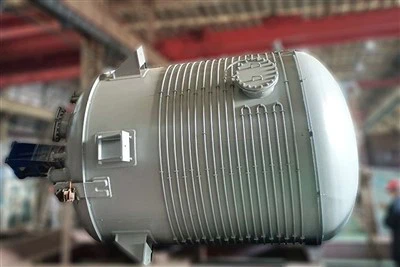
As a supplier of pressure vessels, I understand the critical importance of energy efficiency in today's industrial landscape. Pressure vessels are widely used in various industries, including chemical, petrochemical, power generation, and food processing. Improving their energy efficiency not only helps reduce operational costs but also contributes to environmental sustainability. In this blog post, I will share some practical strategies and best practices on how to enhance the energy efficiency of pressure vessels.
1. Optimize Design and Material Selection
The design and material selection of pressure vessels play a crucial role in determining their energy efficiency. When designing a pressure vessel, it is essential to consider factors such as the operating conditions, fluid properties, and heat transfer requirements. By optimizing the vessel's geometry, surface area, and insulation, we can minimize heat loss and improve energy utilization.


- Geometry Optimization: A well-designed pressure vessel should have a shape that minimizes the surface area-to-volume ratio. This reduces the amount of heat transfer between the vessel and its surroundings, resulting in lower energy consumption. For example, spherical pressure vessels have a smaller surface area compared to cylindrical vessels of the same volume, making them more energy-efficient.
- Insulation: Proper insulation is essential for reducing heat loss from pressure vessels. Insulating materials such as fiberglass, mineral wool, and foam can be used to cover the vessel's exterior surface. The thickness and type of insulation should be selected based on the operating temperature, ambient conditions, and energy savings goals. By reducing heat loss, insulation helps maintain the desired temperature inside the vessel, reducing the need for additional heating or cooling.
- Material Selection: Choosing the right materials for pressure vessels can also improve energy efficiency. Materials with high thermal conductivity, such as stainless steel and aluminum, can enhance heat transfer within the vessel, reducing the time and energy required to heat or cool the fluid. Additionally, using corrosion-resistant materials can extend the lifespan of the vessel, reducing the need for frequent replacements and associated energy consumption.
2. Implement Energy-Efficient Heating and Cooling Systems
Heating and cooling are significant energy-consuming processes in pressure vessel operations. By implementing energy-efficient heating and cooling systems, we can reduce energy consumption and improve overall efficiency.
- Heat Recovery Systems: Heat recovery systems can be used to capture and reuse waste heat generated during the operation of pressure vessels. For example, a heat exchanger can be installed to transfer heat from the hot fluid leaving the vessel to the cold fluid entering the vessel. This preheating process reduces the energy required to heat the incoming fluid, resulting in significant energy savings.
- Variable Frequency Drives (VFDs): VFDs can be used to control the speed of pumps and fans in heating and cooling systems. By adjusting the speed of these equipment based on the actual demand, VFDs can reduce energy consumption by up to 50%. For example, in a cooling system, a VFD can be used to slow down the fan speed when the cooling demand is low, saving energy without compromising the system's performance.
- Thermal Energy Storage: Thermal energy storage systems can be used to store excess heat or cold generated during off-peak hours and release it during peak demand periods. This helps balance the energy load and reduce the need for additional heating or cooling equipment. For example, a hot water storage tank can be used to store heat generated by a boiler during the night and release it during the day to meet the heating demand.
3. Optimize Operating Conditions
Optimizing the operating conditions of pressure vessels can also improve energy efficiency. By monitoring and controlling factors such as temperature, pressure, flow rate, and level, we can ensure that the vessel operates at its optimal efficiency.
- Temperature Control: Maintaining the correct operating temperature is crucial for energy efficiency in pressure vessels. By using temperature sensors and controllers, we can accurately monitor and adjust the temperature inside the vessel. This helps prevent overheating or underheating, reducing energy consumption and improving product quality.
- Pressure Control: Proper pressure control is also essential for energy efficiency. By using pressure sensors and regulators, we can ensure that the pressure inside the vessel remains within the desired range. This helps prevent excessive pressure drops or surges, reducing energy consumption and improving the safety of the vessel.
- Flow Rate Control: Controlling the flow rate of fluids in pressure vessels can also improve energy efficiency. By using flow meters and control valves, we can adjust the flow rate based on the actual demand. This helps prevent overflows or underflows, reducing energy consumption and improving the performance of the vessel.
- Level Control: Maintaining the correct fluid level in pressure vessels is important for energy efficiency. By using level sensors and controllers, we can ensure that the vessel is neither overfilled nor underfilled. This helps prevent unnecessary energy consumption and improves the safety of the vessel.
4. Regular Maintenance and Inspection
Regular maintenance and inspection of pressure vessels are essential for ensuring their energy efficiency and safe operation. By identifying and addressing potential issues early, we can prevent energy losses and costly breakdowns.
- Cleaning and Descaling: Over time, pressure vessels can accumulate dirt, scale, and other contaminants on their internal surfaces. These deposits can reduce heat transfer efficiency and increase energy consumption. By regularly cleaning and descaling the vessel, we can remove these deposits and restore its energy efficiency.
- Leak Detection and Repair: Leaks in pressure vessels can result in significant energy losses and safety hazards. By regularly inspecting the vessel for leaks and repairing them promptly, we can prevent energy waste and ensure the safe operation of the vessel.
- Equipment Calibration: Regular calibration of temperature, pressure, flow rate, and level sensors is essential for accurate monitoring and control of pressure vessels. By ensuring that these sensors are calibrated correctly, we can optimize the operating conditions of the vessel and improve its energy efficiency.
- Insulation Inspection and Repair: Insulation plays a crucial role in reducing heat loss from pressure vessels. By regularly inspecting the insulation for damage or deterioration and repairing it as needed, we can maintain its effectiveness and improve energy efficiency.
5. Training and Education
Training and education are important for ensuring that operators and maintenance personnel have the knowledge and skills to operate and maintain pressure vessels efficiently. By providing comprehensive training programs, we can improve the understanding of energy efficiency principles and best practices, leading to reduced energy consumption and improved performance.
- Operator Training: Operators should be trained on the proper operation and control of pressure vessels, including temperature, pressure, flow rate, and level control. They should also be educated on the importance of energy efficiency and how to identify and address potential energy-saving opportunities.
- Maintenance Training: Maintenance personnel should be trained on the proper maintenance and inspection procedures for pressure vessels, including cleaning, descaling, leak detection, and repair. They should also be educated on the importance of energy efficiency and how to maintain the vessel's insulation and other energy-saving features.
- Energy Management Training: Energy management training can be provided to managers and supervisors to help them develop and implement energy management strategies for pressure vessel operations. This training should cover topics such as energy auditing, energy performance monitoring, and energy-saving measures.
Conclusion
Improving the energy efficiency of pressure vessels is a critical challenge for industries today. By optimizing design and material selection, implementing energy-efficient heating and cooling systems, optimizing operating conditions, conducting regular maintenance and inspection, and providing training and education, we can significantly reduce energy consumption and improve the overall efficiency of pressure vessel operations. As a pressure vessel supplier, we are committed to helping our customers achieve their energy efficiency goals by providing high-quality products and services. If you are interested in learning more about how we can help you improve the energy efficiency of your pressure vessels, please contact us for a consultation.
References
- ASME Boiler and Pressure Vessel Code
- API Standards for Pressure Vessels
- ISO Standards for Energy Management
- Energy Star Guidelines for Industrial Equipment