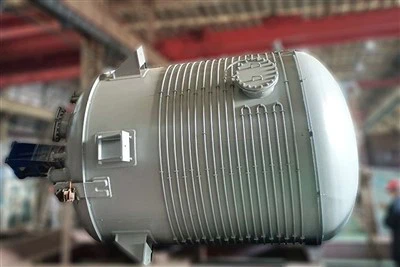
Hey there, fellow lab enthusiasts! As a supplier of Lab Autoclaves, I've seen my fair share of autoclave malfunctions over the years. And let me tell you, it can be a real headache when your trusty autoclave decides to act up. But don't worry, I'm here to share some tips on how to handle a malfunctioning lab autoclave.
First Things First: Safety First
Before you even think about trying to fix your autoclave, safety should be your top priority. Autoclaves use high pressure and high temperature to sterilize equipment and materials, so any malfunction can pose a serious risk. Make sure you follow all safety protocols, including wearing appropriate protective gear like gloves and goggles. If you're not sure how to safely handle the situation, don't hesitate to call in a professional.
Identify the Problem
The first step in fixing any problem is to figure out what's wrong. There are several common issues that can cause an autoclave to malfunction, and here are some signs to look out for:
1. Pressure Problems
- Low Pressure: If your autoclave isn't reaching the proper pressure, it might not be able to sterilize effectively. This could be due to a leak in the system, a faulty pressure gauge, or a problem with the steam generator.
- High Pressure: On the other hand, excessive pressure can be dangerous. It could be caused by a blockage in the steam outlet, a malfunctioning pressure relief valve, or an issue with the control system.
2. Temperature Issues
- Inconsistent Temperature: If the temperature inside the autoclave is fluctuating or not reaching the set point, it could be a sign of a heating element problem, a faulty thermostat, or a problem with the insulation.
- Overheating: Overheating can damage your autoclave and the items inside. This might be caused by a malfunctioning temperature sensor, a blocked ventilation system, or a problem with the power supply.
3. Door and Seal Problems
- Difficulty Opening or Closing the Door: This could be due to a misaligned door, a broken latch, or a problem with the door seal. A faulty door seal can also lead to pressure and steam leaks.
- Steam Leaks: If you notice steam escaping from the autoclave, it's likely that there's a problem with the door seal or another part of the chamber.
4. Control Panel Malfunctions
- Error Messages: Modern autoclaves often have a control panel that displays error messages. These messages can give you a clue about what's going wrong. For example, an "E1" error might indicate a problem with the temperature sensor.
- Unresponsive Buttons: If the buttons on the control panel aren't working, it could be a sign of a software issue or a problem with the wiring.
Troubleshooting Steps
Once you've identified the problem, you can start trying to fix it. Here are some steps you can take:
1. Check the Basics
- Power Supply: Make sure the autoclave is properly plugged in and that the power switch is turned on. Check the circuit breaker to see if it has tripped.
- Water Level: Most autoclaves require a certain amount of water to generate steam. Check the water level and add more if necessary.
- Ventilation: Ensure that the autoclave's ventilation system is not blocked. A blocked ventilation system can cause overheating.
2. Inspect the Components
- Pressure Gauge and Relief Valve: Check the pressure gauge to see if it's reading correctly. You can also test the pressure relief valve by gently lifting the lever to see if steam is released. If the pressure gauge or relief valve is faulty, it should be replaced.
- Heating Element: If you suspect a problem with the heating element, you can use a multimeter to test its continuity. If it's not working, it will need to be replaced.
- Door Seal: Inspect the door seal for any signs of damage or wear. If it's damaged, you can usually replace it with a new one.
3. Clean the Autoclave
- Interior: Over time, debris and mineral deposits can build up inside the autoclave, which can affect its performance. Use a mild detergent and a soft cloth to clean the interior of the chamber.
- Steam Generator: The steam generator can also get clogged with minerals. You can descale it using a descaling solution according to the manufacturer's instructions.
4. Update the Software
If your autoclave has a control panel with software, it's possible that a software glitch is causing the problem. Check the manufacturer's website for any available software updates and follow the instructions to install them.
When to Call a Professional
Sometimes, the problem might be too complex for you to fix on your own. Here are some situations where you should call in a professional technician:
- Electrical Problems: If you suspect an electrical issue, such as a short circuit or a problem with the wiring, it's best to leave it to the experts. Working with electricity can be dangerous, and improper repairs can lead to further damage or even injury.
- Complex Component Replacements: Replacing certain components, like the steam generator or the control board, requires specialized knowledge and tools. A professional technician will have the experience and expertise to do the job safely and correctly.
- Warranty Concerns: If your autoclave is still under warranty, attempting to repair it yourself could void the warranty. In this case, it's best to contact the manufacturer or an authorized service provider.
Preventive Maintenance
The best way to handle a malfunctioning autoclave is to prevent problems from happening in the first place. Here are some preventive maintenance tips:
- Regular Cleaning: As mentioned earlier, regular cleaning of the autoclave's interior and components can prevent the buildup of debris and mineral deposits.
- Scheduled Inspections: Have your autoclave inspected by a professional technician on a regular basis. They can identify potential problems early and perform any necessary maintenance or repairs.
- Proper Use: Make sure your staff is trained on how to use the autoclave correctly. Improper use can lead to premature wear and tear and increase the risk of malfunctions.
Other Lab Equipment Considerations
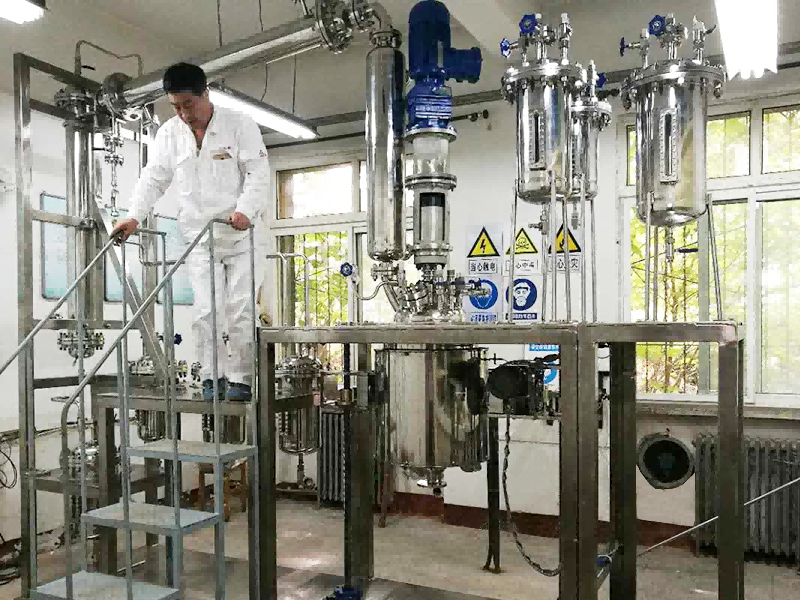
In addition to autoclaves, your lab might also use other important equipment like the Catalytic Cracking Test Unit, Hydrogenation Test Unit, and Distillation Adsorption Extraction Facility. Similar principles of troubleshooting and preventive maintenance apply to these units as well. Always follow the manufacturer's guidelines and keep an eye out for any signs of malfunction.
Conclusion
Dealing with a malfunctioning lab autoclave can be frustrating, but by following these tips, you can identify and fix many common problems. Remember, safety is always the most important thing, and if you're not sure how to handle a situation, don't hesitate to call in a professional.
If you're in the market for a new autoclave or need replacement parts for your existing one, we're here to help. As a trusted supplier of lab autoclaves, we offer high - quality products and excellent customer service. Contact us to discuss your needs and let's work together to keep your lab running smoothly.

References
- Manufacturer's manuals for lab autoclaves
- Industry standards for lab equipment maintenance and safety