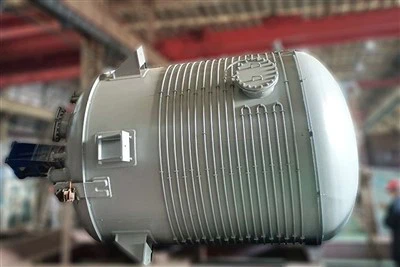
Hey there! As a supplier of Catalytic Cracking Test Unit, I've had my fair share of experiences with these units. One of the most crucial aspects of operating a catalytic cracking test unit is controlling the temperature. In this blog, I'll share some tips and tricks on how to do just that.
Why Temperature Control Matters
First off, let's talk about why temperature control is so important in a catalytic cracking test unit. Catalytic cracking is a process where heavy hydrocarbon molecules are broken down into lighter ones using a catalyst. The reaction is highly temperature-dependent. If the temperature is too low, the reaction might not occur at all, or it could proceed at a very slow rate, leading to inefficient cracking. On the other hand, if the temperature is too high, it can cause unwanted side reactions, such as the formation of coke, which can deactivate the catalyst and reduce the unit's efficiency.
Understanding the Heat Sources and Sinks
To control the temperature effectively, you need to understand the heat sources and sinks in the catalytic cracking test unit. The main heat source in the unit is the exothermic catalytic cracking reaction itself. This reaction releases a significant amount of heat, which needs to be managed to maintain the desired temperature.
There are also heat sinks in the unit, such as the cooling systems. These systems are designed to remove excess heat from the unit and keep the temperature within the optimal range. Understanding how these heat sources and sinks interact is crucial for temperature control.
Types of Temperature Control Systems
There are several types of temperature control systems that can be used in a catalytic cracking test unit. Here are some of the most common ones:
1. Manual Temperature Control
Manual temperature control involves adjusting the heating or cooling systems based on the temperature readings from the sensors. This method requires constant monitoring and adjustment by the operator. While it can be effective, it's also time-consuming and prone to human error.
2. PID (Proportional-Integral-Derivative) Controllers
PID controllers are widely used in industrial applications for temperature control. These controllers use a mathematical algorithm to calculate the error between the desired temperature and the actual temperature. Based on this error, the controller adjusts the heating or cooling systems to minimize the difference. PID controllers are more accurate and efficient than manual control, but they require proper tuning to work effectively.
3. Advanced Control Systems
Advanced control systems, such as model predictive control (MPC), are becoming increasingly popular in catalytic cracking test units. These systems use a mathematical model of the unit to predict the future behavior of the temperature and adjust the control parameters accordingly. Advanced control systems can provide better temperature control and improve the overall performance of the unit.
Tips for Controlling Temperature
Here are some tips for controlling the temperature in a catalytic cracking test unit:
1. Calibrate the Temperature Sensors Regularly
Temperature sensors are the eyes of the temperature control system. If the sensors are not calibrated correctly, the temperature readings will be inaccurate, which can lead to poor temperature control. Make sure to calibrate the temperature sensors regularly to ensure accurate readings.
2. Monitor the Heat Transfer Efficiency
The heat transfer efficiency of the heating and cooling systems can have a significant impact on temperature control. Monitor the heat transfer efficiency regularly and make sure that the systems are working properly. If the heat transfer efficiency is low, it could be due to issues such as fouling or blockages in the heat exchangers.
3. Use a Backup Temperature Control System
It's always a good idea to have a backup temperature control system in case the primary system fails. A backup system can provide an additional layer of protection and prevent the temperature from going out of control.
4. Train the Operators
Proper training of the operators is essential for effective temperature control. Make sure that the operators understand how the temperature control system works and how to operate it correctly. Provide them with regular training and updates on the latest temperature control techniques.
Role of Simulation and Semi-industrial Pilot Plant
Simulation and semi-industrial pilot plants play a crucial role in temperature control in catalytic cracking test units. Simulation and Semi-industrial Pilot Plant allow you to test different temperature control strategies and optimize the performance of the unit before implementing them in a full-scale industrial plant.
By using simulation tools, you can create a virtual model of the catalytic cracking test unit and simulate the behavior of the temperature under different operating conditions. This can help you identify potential problems and develop solutions before they occur in the real world.
Importance of Lab Autoclave
Lab autoclaves are also important in the context of temperature control in catalytic cracking test units. Lab Autoclave can be used to simulate high-pressure and high-temperature conditions, which are often encountered in catalytic cracking processes. By using a lab autoclave, you can study the behavior of the catalyst and the reaction under these conditions and optimize the temperature control parameters accordingly.
Conclusion
Controlling the temperature in a catalytic cracking test unit is a complex but crucial task. By understanding the heat sources and sinks, using the right temperature control systems, and following the tips mentioned above, you can ensure that the temperature is maintained within the optimal range, leading to efficient and effective catalytic cracking.
If you're interested in learning more about our Catalytic Cracking Test Unit or have any questions about temperature control, feel free to reach out to us. We're here to help you with all your catalytic cracking needs. Let's start a conversation and see how we can work together to improve your catalytic cracking processes.


References
- Smith, J. (2018). Catalytic Cracking: Principles and Practice. Elsevier.
- Jones, A. (2019). Temperature Control in Industrial Processes. Wiley.
- Brown, C. (2020). Advanced Control Systems for Chemical Processes. Springer.