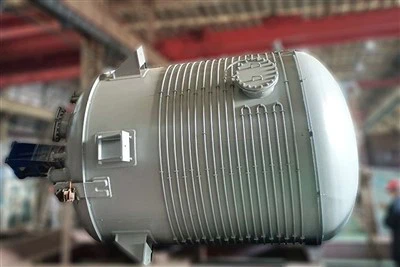
Hey there! As a supplier for a Coal Chemical Pilot Plant, I've seen firsthand how crucial emergency drills are. They're like a safety net, ensuring that everyone in the plant knows what to do when things go wrong. In this blog, I'll share some tips on how to conduct effective emergency drills in a Coal Chemical Pilot Plant.
Why Emergency Drills Matter
First off, let's talk about why emergency drills are so important. In a coal chemical pilot plant, there are all sorts of potential hazards, like chemical spills, fires, and explosions. Without proper training and practice, employees might panic or not know how to respond correctly in an emergency. That's where emergency drills come in. They help employees learn the proper procedures, improve their response times, and build confidence in their ability to handle a crisis.
Planning the Drill
The first step in conducting an emergency drill is to plan it out. You need to decide what type of emergency you're going to simulate, when and where the drill will take place, and who will be involved. It's also important to set clear objectives for the drill, such as testing the effectiveness of your emergency response plan or training employees on a specific procedure.
When choosing the type of emergency to simulate, consider the potential hazards in your plant. For example, if you have a lot of flammable chemicals, you might want to simulate a fire. If you're working with toxic substances, a chemical spill drill might be more appropriate. You can also simulate multiple emergencies to test your employees' ability to handle complex situations.
Once you've decided on the type of emergency, you need to create a scenario. This should include details like the location of the emergency, the type of hazard involved, and any initial actions that need to be taken. Make the scenario as realistic as possible, but also make sure it's safe for your employees.
Communicating the Drill
Before the drill takes place, you need to communicate the details to your employees. This includes the date, time, and location of the drill, as well as the type of emergency that will be simulated. You should also provide any necessary training or information about the emergency response procedures.
It's important to be clear and concise when communicating the drill details. You can use a variety of methods, such as email, posters, or in-person meetings. Make sure everyone understands the purpose of the drill and what is expected of them.
Conducting the Drill
When it's time for the drill, make sure you follow the scenario you've created. Start the drill by activating the emergency alarm or notification system. This will alert your employees that an emergency has occurred and that they need to take action.
During the drill, observe your employees' responses and note any areas where they need improvement. You can also use the drill as an opportunity to test your emergency response equipment, such as fire extinguishers and emergency showers.
If something goes wrong during the drill, don't panic. Just make sure you follow your emergency response plan and take the necessary steps to ensure the safety of your employees. You can also use the incident as a learning opportunity and make any necessary changes to your emergency response plan.


Evaluating the Drill
After the drill is over, it's important to evaluate the results. This includes reviewing your employees' responses, testing the effectiveness of your emergency response plan, and identifying any areas where improvements are needed.
You can use a variety of methods to evaluate the drill, such as surveys, interviews, or debriefing sessions. Make sure you involve your employees in the evaluation process and encourage them to share their feedback and suggestions.
Based on the evaluation results, you can make any necessary changes to your emergency response plan and training programs. This will help you improve the effectiveness of your emergency preparedness and ensure the safety of your employees.
Training and Retraining
Emergency drills are just one part of an effective emergency preparedness program. You also need to provide regular training and retraining to your employees to ensure they have the knowledge and skills to respond to an emergency.
Training should cover a variety of topics, such as emergency response procedures, the use of emergency equipment, and the recognition of potential hazards. You can use a variety of training methods, such as classroom training, online courses, or hands-on simulations.
It's important to make training engaging and relevant to your employees' jobs. You can also use real-life examples and case studies to illustrate the importance of emergency preparedness.
Using the Right Equipment
In addition to training, you also need to make sure you have the right equipment in place to respond to an emergency. This includes fire extinguishers, emergency showers, eye wash stations, and personal protective equipment (PPE).
Make sure you regularly inspect and maintain your emergency equipment to ensure it's in good working condition. You should also provide your employees with the appropriate PPE and train them on how to use it correctly.
Conclusion
Conducting emergency drills in a Coal Chemical Pilot Plant is an essential part of ensuring the safety of your employees and the environment. By following the tips outlined in this blog, you can plan and conduct effective emergency drills that will help you improve your emergency preparedness and response capabilities.
If you're interested in learning more about our products and services for Coal Chemical Pilot Plants, including the Distillation Adsorption Extraction Facility, Polymer Rubber Test Unit, and Simulation and Semi-industrial Pilot Plant, please don't hesitate to reach out. We're here to help you create a safer and more efficient pilot plant.
References
- Occupational Safety and Health Administration (OSHA). (n.d.). Emergency Action Plans. Retrieved from [OSHA Website]
- National Fire Protection Association (NFPA). (n.d.). NFPA 101: Life Safety Code. Retrieved from [NFPA Website]
- Chemical Safety Board (CSB). (n.d.). Lessons Learned from Chemical Incidents. Retrieved from [CSB Website]