


Hey there! I'm a supplier of Nickel - base Steel Clad Plate, and today I'm gonna share with you how to clean this awesome material. Nickel - base Steel Clad Plate is widely used in various industries due to its excellent corrosion resistance, high - temperature performance, and mechanical properties. But to keep it in top - notch condition, proper cleaning is a must.
Why Cleaning Nickel - base Steel Clad Plate is Important
First off, let's talk about why cleaning is so crucial. Over time, Nickel - base Steel Clad Plate can accumulate dirt, grease, oxidation products, and other contaminants. These not only make the plate look shabby but can also compromise its performance. For example, if there's a layer of grease on the plate, it might interfere with subsequent processing steps like welding or painting. Oxidation can lead to surface pitting, which weakens the plate's structure and reduces its lifespan. So, regular cleaning helps maintain the plate's appearance, functionality, and durability.
Pre - cleaning Preparations
Before you start cleaning, there are a few things you need to do. First, assess the condition of the plate. Look for any signs of heavy contamination, scratches, or damage. This will help you determine the appropriate cleaning method.
Next, gather the necessary cleaning supplies. You'll typically need a mild detergent, soft - bristle brushes, clean water, and a lint - free cloth. Avoid using abrasive materials like steel wool or rough brushes, as they can scratch the surface of the plate.
Cleaning Methods
1. Manual Cleaning with Mild Detergent
This is the most basic and commonly used method for light to moderate contamination. Fill a bucket with warm water and add a small amount of mild detergent. Stir the solution gently until it's well - mixed.
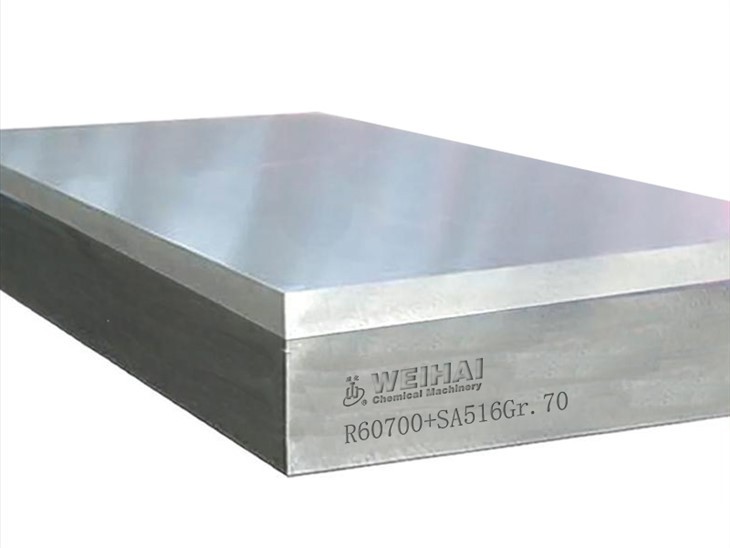

Dip a soft - bristle brush into the soapy water and start scrubbing the plate in a circular motion. Pay special attention to areas with visible dirt or stains. Make sure to cover the entire surface of the plate.
After scrubbing, rinse the plate thoroughly with clean water. You can use a hose or a bucket of water for this step. Make sure all the detergent residue is removed.
Finally, dry the plate with a lint - free cloth. This helps prevent water spots and further oxidation.
2. Chemical Cleaning for Stubborn Contaminants
If the plate has stubborn contaminants like rust or heavy grease, you might need to use a chemical cleaner. However, be very careful when using chemicals, as they can be harmful to the plate if not used correctly.
First, choose a chemical cleaner that's specifically designed for Nickel - base Steel Clad Plate. Read the manufacturer's instructions carefully before use.
Apply the chemical cleaner to the contaminated areas using a brush or a spray bottle. Let the cleaner sit on the surface for the recommended amount of time. This allows the cleaner to break down the contaminants.
After the specified time, scrub the area gently with a soft - bristle brush. Rinse the plate thoroughly with clean water to remove all the chemical cleaner.
Again, dry the plate with a lint - free cloth to prevent any chemical residue from causing damage.
3. Ultrasonic Cleaning
For extremely delicate or hard - to - reach areas, ultrasonic cleaning can be a great option. Ultrasonic cleaners use high - frequency sound waves to create tiny bubbles in a cleaning solution. These bubbles collapse and create a powerful cleaning action that can remove even the smallest particles of dirt.
Fill the ultrasonic cleaner with an appropriate cleaning solution. Place the Nickel - base Steel Clad Plate in the cleaner, making sure it's fully submerged.
Set the cleaning time and frequency according to the cleaner's instructions. The ultrasonic waves will do the work of cleaning the plate.
After the cleaning cycle is complete, remove the plate from the cleaner and rinse it with clean water. Dry it with a lint - free cloth.
Post - cleaning Care
Once you've cleaned the plate, there are a few things you can do to maintain its cleanliness and performance.
Store the plate in a clean, dry environment. Avoid exposing it to moisture, as this can cause oxidation. If possible, cover the plate with a protective film to prevent dust and dirt from accumulating on it.
Regularly inspect the plate for any signs of new contamination or damage. If you notice any issues, address them promptly using the appropriate cleaning method.
Related Products
If you're interested in other types of clad plates, we also offer Titanium Steel Clad Plate and Other Alloy Clad Plate. And for those who need a plate with special requirements, our Two Sides Clad Plate might be just what you're looking for.
Contact for Purchase
If you're in the market for Nickel - base Steel Clad Plate or any of our other products, don't hesitate to reach out. We're here to provide you with high - quality products and excellent service. Whether you have questions about cleaning, installation, or any other aspect of our plates, our team of experts is ready to assist you. Just let us know your needs, and we'll work with you to find the best solution.
References
- ASTM International standards related to cleaning and maintenance of metal clad plates.
- Manufacturer's guidelines for Nickel - base Steel Clad Plate.


