Hey there! I'm a supplier of Stainless Steel Clad Plate, and today I want to chat about how the corrosion resistance of stainless steel clad plate stacks up against other materials.

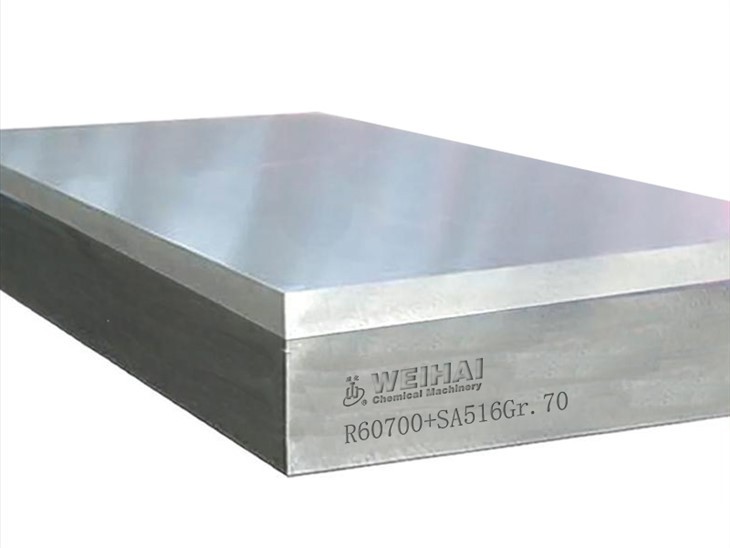
First off, let's understand what stainless steel clad plate is. It's a composite material made by bonding a layer of stainless steel to a base metal, usually carbon steel or low-alloy steel. This combination brings together the best of both worlds: the strength and affordability of the base metal and the excellent corrosion resistance of stainless steel.
Corrosion Resistance Basics
Corrosion is a natural process that occurs when metals react with their environment. It can lead to a loss of material, structural integrity, and functionality. Different materials have different levels of resistance to corrosion, depending on their composition and the environment they're exposed to.
Stainless Steel Clad Plate
Stainless steel is well-known for its corrosion resistance. It contains chromium, which forms a thin, protective oxide layer on the surface of the metal. This layer acts as a barrier, preventing oxygen and other corrosive agents from reaching the underlying metal. When stainless steel is clad onto a base metal, this protective layer extends to the entire surface of the clad plate, providing excellent corrosion resistance.
One of the great things about stainless steel clad plate is that it can be tailored to specific applications. Different grades of stainless steel can be used, depending on the level of corrosion resistance required. For example, in highly corrosive environments such as chemical processing plants or marine applications, a high-alloy stainless steel like 316L might be used. This grade contains molybdenum, which enhances its resistance to pitting and crevice corrosion.
Comparison with Other Materials
Carbon Steel
Carbon steel is a widely used material due to its strength and low cost. However, it has poor corrosion resistance. When exposed to moisture and oxygen, carbon steel rusts easily. Rust is a form of corrosion that weakens the metal and can lead to structural failure over time.
In contrast, stainless steel clad plate provides a much higher level of corrosion resistance. The stainless steel cladding protects the carbon steel base from rusting, extending the lifespan of the material. This makes stainless steel clad plate a better choice for applications where corrosion is a concern, such as in water treatment plants or outdoor structures.
Aluminum
Aluminum is another metal that is known for its corrosion resistance. It forms a natural oxide layer on its surface, similar to stainless steel. However, this oxide layer is not as stable as the one formed on stainless steel, especially in acidic or alkaline environments.
Stainless steel clad plate offers better corrosion resistance than aluminum in many situations. It can withstand a wider range of temperatures and corrosive agents. For example, in industrial settings where chemicals are present, stainless steel clad plate is less likely to corrode than aluminum.
Nickel-base Steel Clad Plate
Nickel-base steel clad plate is also a popular choice for applications requiring high corrosion resistance. Nickel alloys have excellent resistance to a variety of corrosive environments, including those containing acids, alkalis, and salts.
However, nickel-base steel clad plate is generally more expensive than stainless steel clad plate. For applications where the corrosion resistance of stainless steel is sufficient, stainless steel clad plate can be a more cost-effective option.
Other Alloy Clad Plate
There are many other types of alloy clad plates available, each with its own unique properties. Some alloy clad plates are designed for specific applications, such as high-temperature resistance or wear resistance.
When it comes to corrosion resistance, stainless steel clad plate is often a good choice. It offers a good balance between corrosion resistance, strength, and cost. In many cases, it can meet the requirements of a wide range of applications without the need for more specialized and expensive alloy clad plates.
Factors Affecting Corrosion Resistance
The corrosion resistance of stainless steel clad plate can be affected by several factors.
Environment
The environment in which the clad plate is used plays a major role in its corrosion resistance. Factors such as temperature, humidity, pH level, and the presence of corrosive agents all affect how quickly the material will corrode.
For example, in a marine environment, the high salt content in the air and water can accelerate corrosion. In this case, a stainless steel clad plate with a higher level of corrosion resistance, such as 316L, would be recommended.
Surface Finish
The surface finish of the clad plate can also affect its corrosion resistance. A smooth surface is less likely to trap dirt and moisture, which can lead to corrosion. Therefore, a polished or buffed surface finish is often preferred for applications where corrosion resistance is important.
Welding and Fabrication
Proper welding and fabrication techniques are essential for maintaining the corrosion resistance of stainless steel clad plate. If the welding is not done correctly, it can damage the protective oxide layer on the stainless steel cladding, exposing the base metal to corrosion.
It's important to use the right welding materials and techniques to ensure a strong, corrosion-resistant bond between the stainless steel cladding and the base metal.
Applications of Stainless Steel Clad Plate
Stainless steel clad plate is used in a wide range of applications where corrosion resistance is important.
Chemical Processing
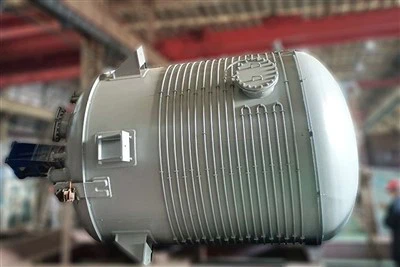
In the chemical processing industry, stainless steel clad plate is used for storage tanks, pipelines, and reaction vessels. These components are exposed to a variety of corrosive chemicals, and the high corrosion resistance of stainless steel clad plate ensures their long-term durability.
Food and Beverage Industry
In the food and beverage industry, stainless steel clad plate is used for equipment such as tanks, conveyors, and processing machinery. It meets the strict hygiene and corrosion resistance requirements of this industry, ensuring that the food and beverages are not contaminated.
Marine Applications
In the marine industry, stainless steel clad plate is used for shipbuilding, offshore platforms, and desalination plants. The harsh marine environment, with its high salt content and constant exposure to water, requires materials with excellent corrosion resistance. Stainless steel clad plate provides this protection, extending the lifespan of marine structures.
Why Choose Our Stainless Steel Clad Plate
As a supplier of stainless steel clad plate, we offer high-quality products that are manufactured using the latest technology and strict quality control measures. Our clad plates are available in a variety of sizes and thicknesses, and we can customize them to meet your specific requirements.
We also provide excellent customer service. Our team of experts can help you choose the right grade of stainless steel and the best cladding process for your application. We can also offer advice on installation, maintenance, and welding to ensure that you get the most out of your stainless steel clad plate.
If you're in the market for stainless steel clad plate or have any questions about its corrosion resistance or applications, don't hesitate to reach out. We're here to help you find the best solution for your needs.
References
- ASM Handbook, Volume 13A: Corrosion: Fundamentals, Testing, and Protection.
- Stainless Steel World Magazine.
- Corrosion Engineering Handbook.
So, if you're looking for a material with excellent corrosion resistance, consider stainless steel clad plate. Contact us today to discuss your requirements and start the procurement process!